



Economy
US National Debt Crosses 40 Trillion dollar as Trump Calls for Lower Borrowing Costs
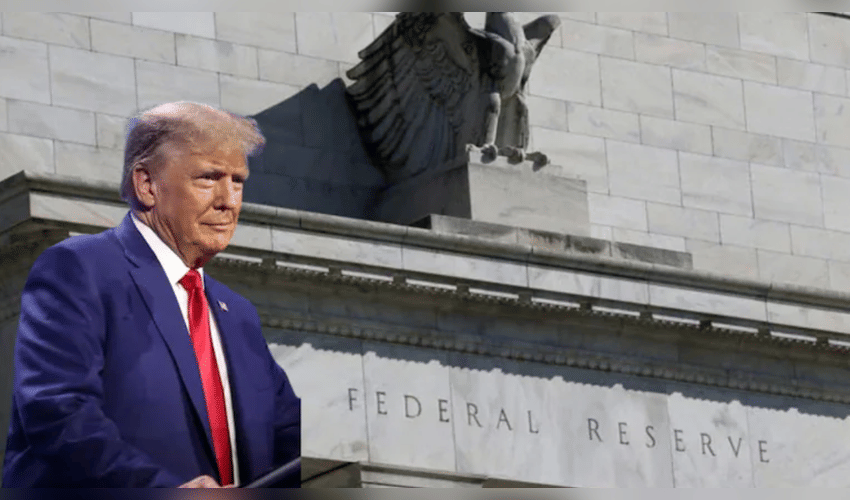

The United States has crossed a major financial milestone, with the country’s national debt rising above $40 trillion for the first time. The development has renewed concerns over the cost of government borrowing, while President Donald Trump has argued that the United States should be paying far less in interest on its massive debt.
The latest increase reflects years of federal budget deficits, with the government spending more money than it collects in revenue. The debt has also been pushed higher by major spending programs, economic support measures, defence costs and the growing expense of servicing previously accumulated borrowing.
Trump has repeatedly focused on interest rates as a key part of the problem. He has argued that the US economy is strong enough to justify lower borrowing costs and has criticized the Federal Reserve's approach to monetary policy. Lower rates could eventually reduce the cost of refinancing some government debt, although they would not by themselves stop the debt from increasing.
The $40 trillion figure is particularly significant because the national debt has risen sharply over a relatively short period. The US crossed the $30 trillion threshold in 2022, meaning another $10 trillion has been added in only a few years. The debt has more than doubled since Trump first took office in 2017. The growing debt is also creating a larger interest bill for the federal government. As older Treasury securities mature, they must be replaced with new borrowing. When new debt carries higher interest rates, Washington can face substantially larger payments even without a major increase in the amount borrowed.
That has become an increasingly important issue for the federal budget. Money spent paying interest cannot be used for other priorities such as infrastructure, defence, healthcare or other government programmes. The debt milestone does not mean that the US is immediately facing a financial collapse. The country remains the world's largest economy and US Treasury securities continue to play a central role in global financial markets. However, the speed at which debt is accumulating has increased pressure on policymakers to address the government's persistent budget deficits.
The consequences can also appear indirectly. Government borrowing and interest-rate conditions can influence the cost of mortgages, business loans and other forms of credit. Higher federal interest expenses could also leave future administrations with less flexibility during an economic downturn or national emergency.
Trump's call for lower interest costs therefore addresses only one part of the broader problem. Even if borrowing becomes cheaper, the government would still need to deal with the underlying gap between its revenues and expenditures. With US debt now above $40 trillion, the debate over spending, taxation, interest rates and America's long-term fiscal position is likely to intensify. The latest milestone serves as a reminder that managing the country's debt will remain one of Washington's biggest economic challenges.



