



World
US-Iran Standoff Heats Up: Strike Imminent?
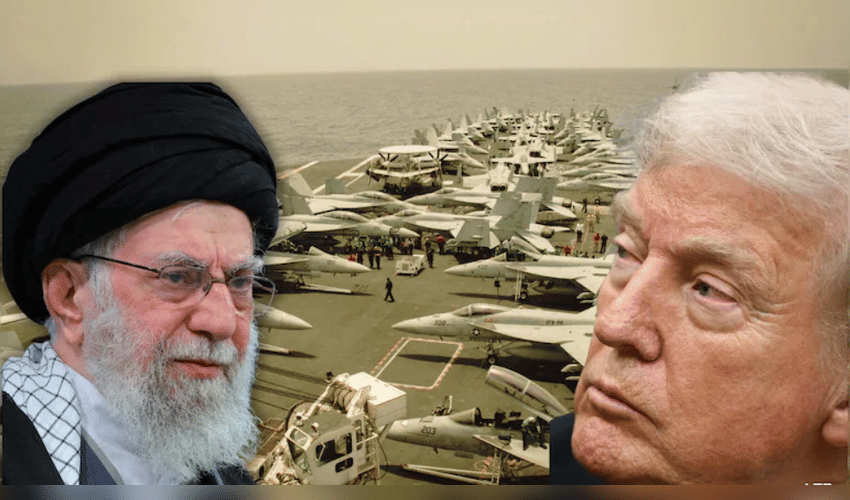

Amid heightened military posturing in the Middle East, speculation is rife about whether the United States is gearing up for a strike on Iran. While no official plans have been announced, recent deployments and sharp exchanges between Washington and Tehran have set alarm bells ringing across global capitals.
The Pentagon has dispatched additional fighter jets, drones, and ground-attack aircraft to bases near Iran in recent days. This move follows stalled talks over Iran's nuclear program, with President Trump demanding a complete halt to uranium enrichment—a condition Tehran has dismissed outright. It's reminiscent of previous flare-ups, where shows of strength like carrier repositioning deterred escalation without direct conflict. Iranian leaders, in turn, have issued stark warnings. Senior officials vowed to target US installations throughout the region if attacked, potentially igniting a broader crisis involving allies and key waterways like the Strait of Hormuz.
Iran expressed willingness for focused nuclear discussions but insisted the US first withdraw its reinforcements. This comes as Iranian media amplifies fears of an imminent assault, framing it as a trigger for widespread instability. Legal experts note there's no clear justification for preemptive action under international norms, absent proof of an immediate threat. Yet, the rhetoric from both sides keeps markets jittery, with oil traders eyeing potential supply disruptions.
Should a strike occur—perhaps aimed at nuclear facilities or IRGC assets—Iran's retaliation could ripple far. Proxies like Hezbollah might activate, US bases in Qatar or the UAE could face fire, and global energy prices would surge, as modeled in past scenarios where Hormuz blockades doubled crude costs swiftly. For now, eyes are on diplomatic channels and Trump's forthcoming remarks. A single misstep could tip posturing into peril, underscoring the fragile balance in this long-simmering feud.



