



World
US-Iran Peace Deal Nears Final Stage as Strait of Hormuz Set to Reopen After 106 Days of Conflict
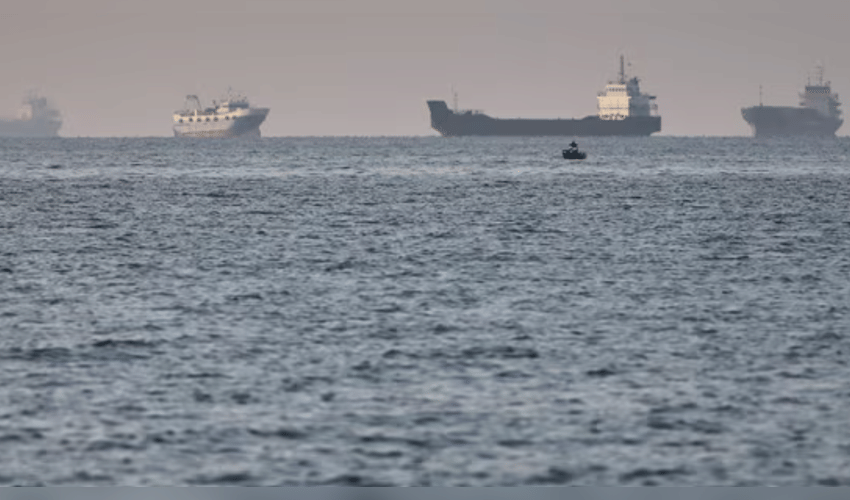

After more than three months of military escalation and growing fears of a wider regional crisis, the United States and Iran are reportedly close to formally ending the 106-day conflict that disrupted global oil markets and threatened stability across the Middle East. According to international reports, negotiators from both countries have finalized a draft peace agreement that includes a ceasefire framework, reopening of the Strait of Hormuz, and the gradual lifting of the US naval blockade on Iranian ports. The agreement is expected to be officially signed later this week in Switzerland.
The breakthrough has already triggered strong reactions in global financial markets. Oil prices dropped sharply on Monday after news of the proposed deal emerged, as traders anticipated the return of uninterrupted energy shipments through the Strait of Hormuz — a route that carries nearly 20% of the world’s oil and liquefied natural gas supply.
US President Donald Trump confirmed that commercial shipping through the strait could resume once the agreement is formally signed. In a statement, Trump announced plans to end restrictions on maritime movement and called for global shipping operations to restart. Iranian officials also signaled readiness to move forward with the deal, though discussions over sanctions relief and Tehran’s nuclear program are expected to continue during a proposed 60-day negotiation window.
The conflict began in late February and quickly escalated into one of the most serious confrontations in the region in recent years. Tensions surrounding the Strait of Hormuz caused major disruptions to global energy supplies, forcing shipping companies to reroute vessels and pushing crude oil prices higher.
Despite the optimism surrounding the peace initiative, uncertainty remains over several unresolved issues, including the role of regional allies and the future of Iran’s nuclear activities. Reports also suggest that some military operations linked to Lebanon and other regional flashpoints have not yet fully stopped.
Analysts believe the reopening of the Strait of Hormuz could provide immediate relief to global energy markets, particularly for oil-importing nations such as India, Japan, and several European countries. However, experts warn that restoring full commercial traffic may take time due to security concerns and damaged maritime infrastructure in the Gulf region. The proposed agreement is being viewed as one of the most significant diplomatic developments in the Middle East this year. If successfully implemented, it could reduce geopolitical tensions, stabilize oil prices, and reopen critical trade routes that were severely impacted during the conflict.
Disclaimer: This image is taken from Hindustan Times.



