



World
US Army Delays Planned Detonation of Bomb-Making Chemicals in Iowa After Public Safety Concerns
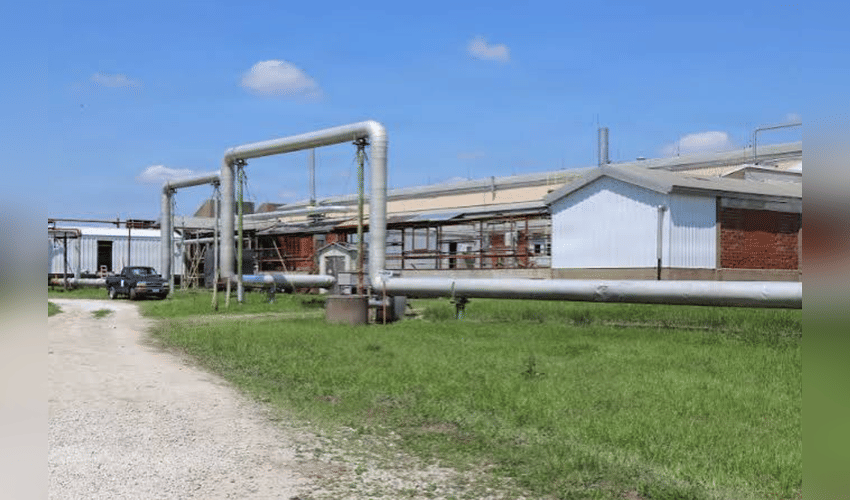

The US Army has postponed a planned operation to destroy hazardous bomb-making chemicals at the Iowa Army Ammunition Plant in southeastern Iowa following concerns over potential health and environmental risks. The detonation, originally scheduled for Friday, November 20, has been rescheduled for Monday, November 23, 2026. The decision came after Iowa Governor Kim Reynolds, local residents and environmental organisations raised concerns about the possibility of toxic lead particles spreading into nearby communities during the operation.
The chemicals involved are deteriorating stocks of lead azide, a highly sensitive explosive compound commonly used in military detonators. According to officials, 68 drums containing the material were identified at the ammunition facility in March, raising concerns about the risks associated with storing, transporting or handling them. Acting US Army Secretary Adam Telle announced the postponement after receiving requests from state authorities. The Army said the revised schedule would allow the operation to take place under colder weather conditions, which officials believe could help reduce certain safety risks.
Governor Reynolds welcomed the decision, while environmental groups continued to question whether the proposed destruction method could expose residents to harmful contamination. The Iowa Environmental Council and the Sierra Club have challenged the operation, arguing that its potential environmental consequences require closer examination. They have also raised questions about whether alternative disposal methods were adequately considered.
The US Environmental Protection Agency approved an emergency permit for the operation on November 13. However, concerns remain over the possibility that the detonation could release lead-containing dust into the surrounding environment. Lead exposure can pose serious health risks, particularly for children and pregnant women. Prolonged exposure may affect brain development, damage the nervous system and cause other long-term health problems.
The Army has maintained that destroying the unstable material through controlled detonation is safer than attempting to transport or manually handle the deteriorating chemicals, which could trigger an accidental explosion. Residents in potentially affected areas have been advised to follow official safety instructions and remain alert to updates regarding the operation. Authorities have also released exposure projections to help communities understand the areas that could potentially be affected by airborne particles.
The postponement has intensified discussions over the balance between military safety requirements and environmental protection. While officials consider the destruction necessary to eliminate a potentially dangerous stockpile, residents and environmental organisations are seeking greater assurances that the operation will not create additional health risks. The Army is expected to proceed with the revised detonation plan on November 23, subject to operational and safety conditions.
Disclaimer: This image is taken from