



World
UK Rejects Trump's Bid to Use Key Bases for Potential Iran Strikes Amid Rising Tensions
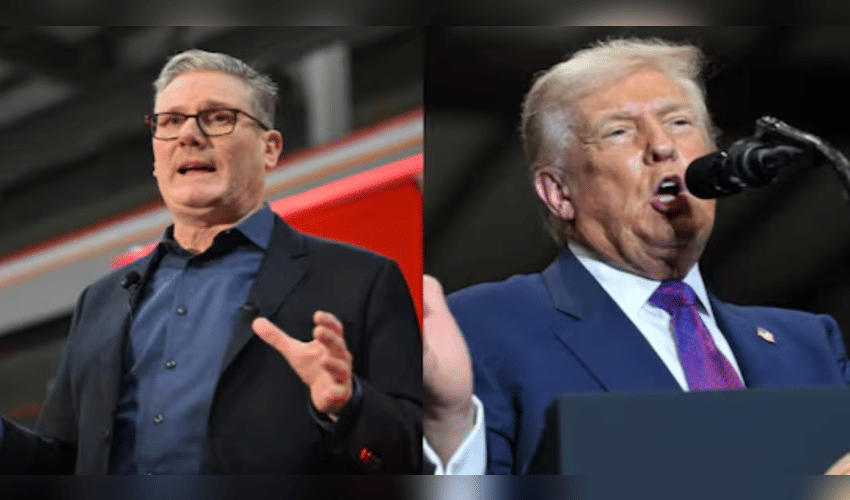

London has firmly turned down a request from US President Donald Trump to utilize critical British military facilities for any strikes against Iran, sources confirm. This decision underscores growing strains in the transatlantic alliance as Washington ramps up pressure on Tehran over its nuclear program.
Trump spotlighted two prime assets under UK control: Diego Garcia, the strategic Indian Ocean atoll, and RAF Fairford in England's Gloucestershire countryside. In a fiery Truth Social post, he insisted these bases are vital to neutralize Iran's "destabilizing" actions, warning that without a swift nuclear accord, military options loom—ones that could safeguard Britain too.
UK authorities, however, cited legal red flags, arguing no clear international mandate exists for such offensive use. British defense protocols demand explicit approvals per scenario, and top legal advisors highlighted potential violations of global norms. It's a stance echoing past restraint, like when Diego Garcia sat out US-Iran flare-ups in 2020 despite its track record with heavy bombers.
Complicating matters, Trump withdrew US backing for the UK's fresh pact handing Chagos sovereignty to Mauritius while securing a 99-year Diego Garcia lease. He blasted the arrangement as surrendering a "crucial asset" right when Iran threats peak, reversing earlier State Department nods aimed at averting court battles. With UK Parliament yet to ratify, this twist exposes how swiftly alliance priorities shift in crises.
The UK isn't disengaging entirely on defense. It's deployed six F-35 stealth fighters to Cyprus's Akrotiri base and four Typhoon jets to Qatar, bracing for possible Iranian reprisals. Trump, for his part, has dispatched carriers and bombers region-wide, issuing Tehran a 10-day deal-or-else deadline.
This rare public pushback revives questions about the limits of US-UK military ties, where intel sharing flows freely but base access isn't guaranteed—much like Britain's cautious Gulf engagements lately. As nuclear saber-rattling intensifies, it signals allies weighing sovereignty against shared threats, with ripple effects for Indo-Pacific strategy ahead.



