



News
Trump Favourite Field Marshal Asked China For Nuclear Submarines Report Claims
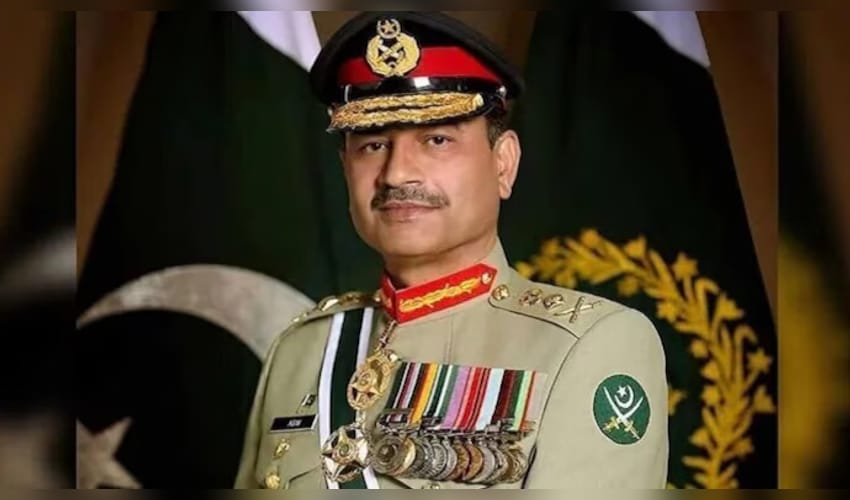

Fresh controversy has erupted around Pakistan Army chief Field Marshal Asim Munir after reports claimed Islamabad secretly approached China seeking nuclear submarine capability in exchange for strategic military access, raising serious concerns over regional security and Pakistan’s expanding military ambitions.
According to reports citing classified Pakistani military documents reviewed by a US-based outlet, Pakistan allegedly requested Beijing’s support for developing a sea-based nuclear second-strike capability during high-level talks in 2024. The proposal reportedly included Chinese access to the strategically important Gwadar naval base.
The report further claimed Pakistan sought nuclear-armed submarines from China in an effort to transform its existing nuclear arsenal into a full-fledged nuclear triad combining land, air and sea-based nuclear delivery systems. Analysts say such a move would significantly escalate South Asia’s already fragile strategic balance.
Field Marshal Asim Munir, frequently described in international media as US President Donald Trump’s “favourite field marshal,” has emerged as Pakistan’s most powerful military figure in recent years. Trump had publicly praised Munir during diplomatic engagements linked to regional tensions involving Iran and South Asia.
Security analysts believe Pakistan’s push for sea-based nuclear capability reflects Islamabad’s growing dependence on China for advanced military technology. Pakistan has already acquired Chinese-built Hangor-class submarines under a multi-billion-dollar defence agreement, though experts say converting them into credible nuclear deterrent platforms would require significant technological upgrades.
The report suggested China viewed Pakistan’s request as excessive and strategically risky, leading to stalled negotiations. Observers say Beijing may have been reluctant to deepen global scrutiny over military cooperation involving nuclear-capable systems.
Critics argue the revelations expose Pakistan’s continued prioritisation of military expansion despite severe economic distress at home. The country remains dependent on international financial assistance while simultaneously pursuing costly strategic weapons programs and defence acquisitions.
The controversy also comes amid growing debate over the Pakistani military’s dominant role in shaping foreign and security policy. Analysts note that major strategic decisions involving China, Iran and the United States are increasingly seen as being directed by the military establishment rather than civilian leadership.
Regional observers warn that any attempt by Pakistan to operationalise sea-based nuclear weapons could intensify the arms race in South Asia and further complicate already tense relations with India. Nuclear submarines are widely considered among the most sensitive strategic deterrent assets because they provide countries with survivable second-strike capability during conflict.
The latest report has once again placed Pakistan’s military ambitions under international scrutiny, especially at a time when Islamabad is attempting to balance closer ties with Washington while maintaining deep strategic dependence on Beijing.
Disclaimer : This image is taken from India Today.