



World
Trump Describes Hormuz Clash as a "Love Tap" While Iran Responds With Fierce "Lion" Warning
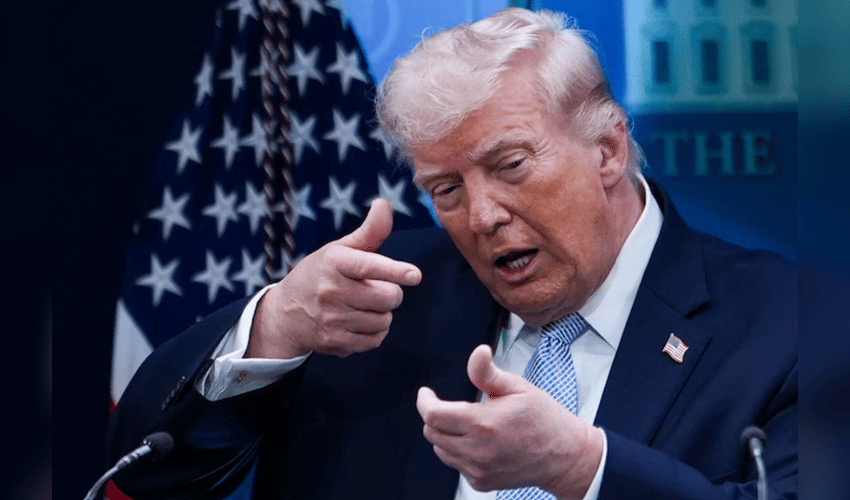

Tensions in the Middle East have flared up again after a dramatic military exchange in the Strait of Hormuz involving U.S. naval forces and Iran. The incident quickly grabbed global attention after President Donald Trump described the American response as a mere “love tap,” while Iranian leaders responded with sharp warnings and aggressive rhetoric.
According to reports, several U.S. Navy destroyers traveling through the strategically critical Strait of Hormuz came under attack from missiles, drones, and fast-moving boats allegedly linked to Iranian forces. U.S. Central Command later confirmed that American defense systems intercepted the incoming threats and launched retaliatory strikes against selected Iranian military positions.
Despite the seriousness of the confrontation, Trump attempted to downplay the escalation. Speaking after the incident, he said the response was only a “love tap,” suggesting the United States deliberately limited its military action while still sending a strong message to Tehran. At the same time, he warned that Washington could respond much more aggressively if tensions continue to rise or if negotiations fail.
Iran, however, struck a very different tone. Iranian media outlets and officials portrayed the confrontation as proof that Tehran would not back down under pressure. Some state-linked commentary compared Iran to a “lion” prepared to defend itself against foreign aggression, signaling that any future military move could trigger a much wider conflict in the Gulf region.
The Strait of Hormuz remains one of the world’s most sensitive maritime routes. Nearly a fifth of global oil shipments pass through the narrow waterway, meaning even limited military tensions there can shake international markets and raise fears about energy supply disruptions. Analysts say that while both Washington and Tehran appear eager to avoid a full-scale war, repeated military encounters increase the risk of miscalculation.
Experts also believe the language used by both sides matters as much as the military actions themselves. Trump’s casual wording may appeal to his political base by projecting confidence and control, but critics argue that minimizing military strikes with phrases like “love tap” could further inflame tensions. Iran’s aggressive messaging is aimed at showing strength domestically and across the region.
The latest exchange has once again placed the Middle East at the center of global geopolitical concerns. Investors, oil traders, and international diplomats are now closely watching whether this confrontation remains a limited show of force or develops into a larger regional crisis. The uneasy standoff continues, with both sides signaling power while carefully avoiding a direct all-out war. But as history has shown, the Strait of Hormuz can quickly become one of the world’s most dangerous flashpoints when diplomacy begins to fail.



