



World
Trump Alleges China Interfered in 2020 US Election, Beijing Strongly Denies Claims
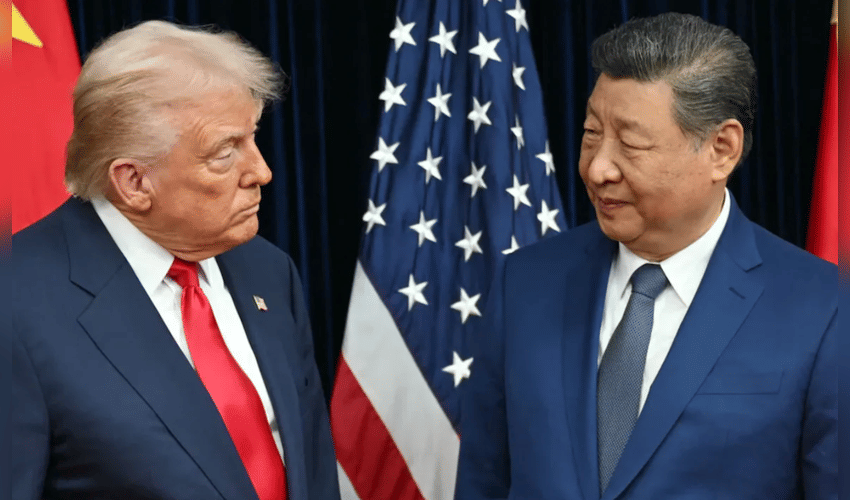

US President Donald Trump has reignited the debate over the 2020 presidential election by accusing China of carrying out a major operation to interfere in the electoral process. The allegations, made during a televised address from the White House, were swiftly rejected by Beijing, which insisted it has never interfered in US elections.
Trump claimed that China obtained data linked to around 220 million American voter files, calling it the "largest compromise of election data in history." He described the alleged breach as an unprecedented threat to US election security and said his administration had declassified intelligence that supports the claims. However, he did not publicly present evidence showing that the alleged data acquisition changed votes or altered the outcome of the 2020 election.
Responding to the accusations, a spokesperson for the Chinese Embassy in Washington dismissed the claims, saying China "has never and will never interfere" in US presidential elections. Beijing maintained that it follows a long-standing policy of non-interference in the domestic affairs of other countries.
The latest exchange comes despite previous findings by the US intelligence community. A declassified assessment released in 2021 concluded that no foreign government successfully altered any technical aspect of the 2020 presidential election, including voter registration systems, ballot counting or election results. The report also found no evidence that China manipulated the outcome of the election.
Trump's remarks are expected to fuel fresh political debate in the United States as the country heads toward the 2026 midterm elections. During his address, he argued that election security remains a top national concern and urged lawmakers to strengthen voting safeguards, including stricter voter identification and citizenship verification measures.
The renewed accusations also carry diplomatic implications. They come at a time when Washington and Beijing have been attempting to stabilize relations after months of trade-related tensions, with both sides preparing for high-level diplomatic engagement in the coming months. Analysts say Trump's comments could complicate those efforts, even if they do not immediately translate into new US policy toward China.
While the White House says newly declassified material raises concerns about election security, critics note that intelligence agencies have previously reached different conclusions. As a result, Trump's latest allegations are likely to face close scrutiny from lawmakers, security experts and political observers in the weeks ahead.



