



News
Tiny microbes can have huge impact: NITI Aayog cautions about a growing gut health crisis in India.
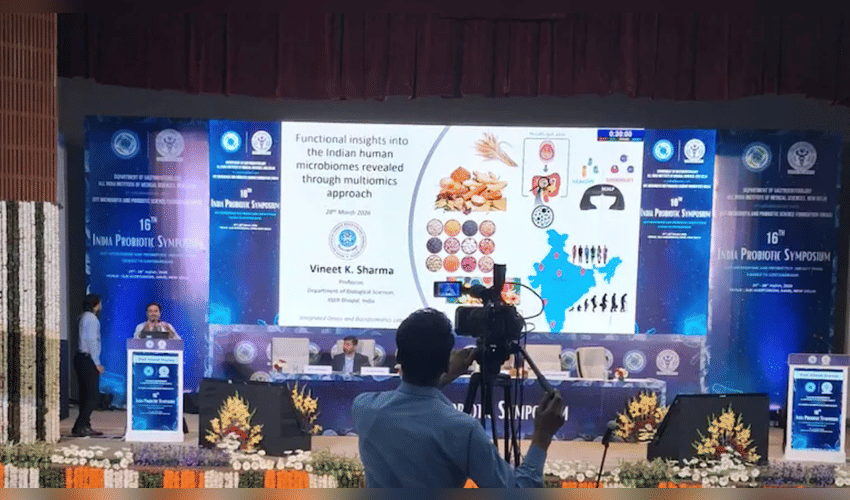

India's top policy think tank, NITI Aayog, has issued a urgent wake-up call about a brewing gut health crisis that's putting millions at risk, driven by tiny microorganisms with outsized impacts on national well-being. Speaking at a recent probiotics symposium in the capital, NITI Aayog CEO Rajiv Gauba highlighted how rapid shifts in Indian diets—from traditional home-cooked meals to ultra-processed foods—are disrupting the gut microbiome, contributing to over half of the country's disease burden. "Micro-organisms can create macro consequences," Gauba emphasized, pointing to urbanization, fast food culture, and declining dietary diversity as key culprits.
The warning comes amid rising concerns over lifestyle diseases like diabetes, obesity, and heart conditions, all linked to imbalanced gut bacteria. Urban Indians, in particular, are swapping fiber-packed staples like dal, veggies, and fermented favorites for sugary snacks and sodas delivered in minutes. This "Westernized" eating pattern starves beneficial microbes while promoting inflammation and weakened immunity.
Experts note that a healthy gut microbiome—home to trillions of bacteria, fungi, and viruses—plays a pivotal role in digestion, immune function, and even mental health. When disrupted, it paves the way for chronic issues, with India facing a disproportionate share due to its massive population and evolving food habits.
NITI Aayog urged a return to India's probiotic-rich heritage, spotlighting everyday ferments like idli, dosa, dhokla, curd, and kanji. These natural powerhouses can restore microbial balance more effectively than many commercial supplements, especially when paired with prebiotic foods such as garlic, onions, and bananas. The think tank called for more India-specific research to combat "health-washing" in the supplement market and align with the 2024 National Dietary Guidelines. Gauba stressed data-driven interventions to cut healthcare costs under schemes like Ayushman Bharat, emphasizing prevention over cure.
As India leads the global probiotics movement, simple daily tweaks—like starting meals with chaas or adding pickled veggies—could turn the tide. For a nation grappling with economic growth and health challenges, prioritizing gut health isn't just personal—it's a macro strategy for a healthier future.



