



News
'This Is Between Students And Me': CJI Surya Kant Questions BCI Order
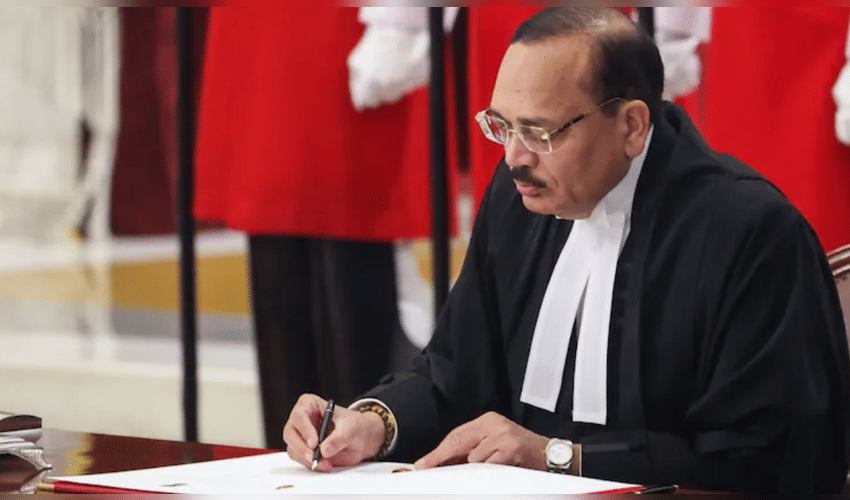

Chief Justice of India Surya Kant on Friday questioned the Bar Council of India’s decision to intervene in the controversy involving students of NALSAR University of Law, saying the issue was essentially between him and the students. The remarks came after the Bar Council of India initially directed State Bar Councils not to enrol the 2026 graduating batch of NALSAR as advocates. The decision followed a campaign by some students opposing the invitation extended to the Chief Justice to attend the university’s convocation.
During the Supreme Court proceedings, CJI Surya Kant questioned why the professional regulatory body had become involved in what he described as a matter between students and himself. He also recalled his own student days and said he had participated in protests as a student. The controversy began after a section of NALSAR students objected to the proposed participation of the Chief Justice at the university’s convocation. The students reportedly raised concerns over remarks and developments connected with an earlier Supreme Court matter involving protesters.
The issue escalated when the BCI issued a communication seeking information from the university about students and others allegedly involved in organising or coordinating the campaign. At the same time, the council initially directed that members of the 2026 graduating batch should not be enrolled as advocates until further orders.
The decision drew considerable attention because the order affected an entire graduating batch, while the allegations concerned only those who may have been involved in the campaign. The BCI subsequently reconsidered its position. It allowed the NALSAR graduates to proceed with enrolment before eventually closing the proceedings against the 2026 batch.
BCI Chairman Manan Kumar Mishra said the council had concluded that the students of the 2026 batch had no role in any disturbance or movement that could justify action against them. The Supreme Court's intervention has now brought renewed attention to the balance between student dissent and institutional authority. The case also raises questions about whether collective action should have professional consequences for students who were not individually found responsible for any wrongdoing.
For the NALSAR graduates, the BCI's decision to close the proceedings removes the immediate uncertainty surrounding their entry into the legal profession. The broader debate, however, has highlighted the importance of protecting space for peaceful disagreement within educational institutions while maintaining appropriate standards of conduct. CJI Surya Kant's observation that the matter was “between students and me” has become the central point of the controversy, particularly as the dispute moves from a university-level disagreement to a wider discussion about student expression, judicial institutions and the role of professional regulators.



