



News
Supreme Court Forms Panel to Draft Roadmap for Judicial Infrastructure Reform
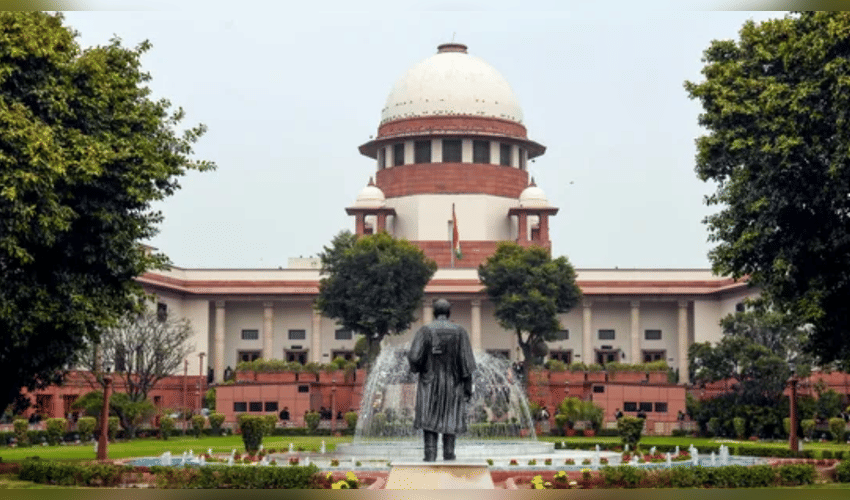

The Supreme Court has constituted a high-level committee to prepare a comprehensive roadmap for improving judicial infrastructure across the country. The newly formed Judicial Infrastructure Advisory Committee will assess the current condition of courts and recommend long-term reforms for modernizing judicial facilities, including district courts, High Courts, and tribunals. The initiative comes amid growing concerns over inadequate court infrastructure, rising pendency of cases, and uneven implementation of digital systems in courts.
The committee will be headed by Supreme Court judge Justice Aravind Kumar and will include judges from various High Courts along with senior officials connected to judicial administration. The panel has been tasked with identifying infrastructure gaps and preparing recommendations that can guide future policy and financial planning.
The move is being viewed as an important step toward addressing longstanding problems faced by courts in several parts of the country. Many courts continue to function with limited space, outdated facilities, insufficient staff support, and poor technological resources. In smaller districts, some court complexes reportedly struggle with basic infrastructure requirements. Legal experts believe the issue goes beyond constructing new buildings. They say efficient justice delivery also depends on modern courtrooms, digital case management systems, better connectivity, proper record storage, and improved facilities for judges, lawyers, and litigants.
The committee is also expected to focus on technology-driven reforms. In recent years, the judiciary has increasingly adopted digital tools such as e-filing, virtual hearings, and online case tracking systems. However, implementation remains inconsistent across states, especially in rural and semi-urban regions where technological infrastructure is limited.
Sources indicate that the judiciary may seek substantial financial support from the Centre for large-scale modernization projects in the coming years. Reports suggest proposals related to infrastructure development, digital expansion, and construction of new court complexes could require investments worth tens of thousands of crores.
Experts say improved judicial infrastructure could help reduce delays in case disposal and strengthen public confidence in the legal system. Faster dispute resolution is also considered important for economic growth, business confidence, and easier access to justice for ordinary citizens. The committee is expected to submit an interim report later this year, following which discussions with the Centre and state governments may take place regarding implementation of the recommendations.



