



News
'Sharif Knows Boycotting Is the Only Way to Save Pride' : 1983 World Cup Winner's Brutal Jibe at Pakistan
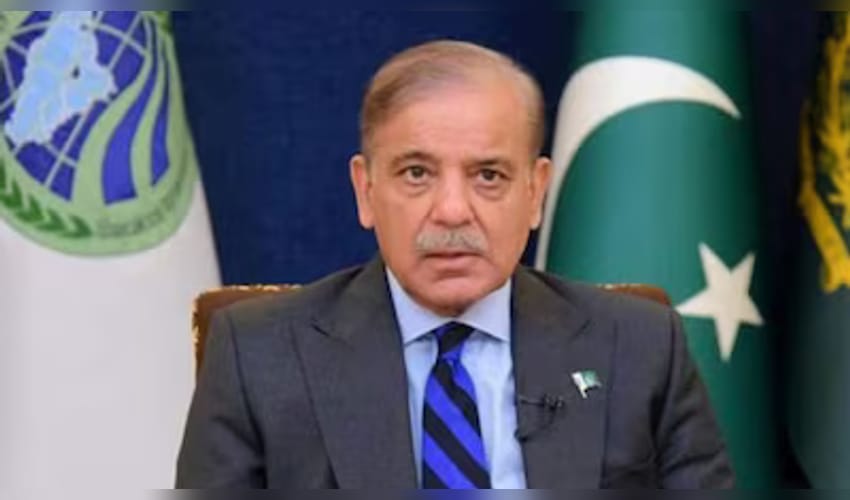

A stinging remark by a member of India’s 1983 World Cup–winning team has reignited debate over Pakistan’s repeated threats to boycott cricketing events involving India, with the former cricketer suggesting that Prime Minister Shehbaz Sharif understands that withdrawal is the “only way left to save face.”
The comment, widely circulated in cricketing circles, comes amid Pakistan’s growing isolation within international cricket and ongoing disputes over participation, hosting rights and political conditions tied to sporting events. The former World Cup winner’s blunt assessment reflects a broader perception that Pakistan’s cricket establishment is increasingly resorting to boycotts not out of principle, but to mask administrative and diplomatic failures.
“Sharif knows boycotting is the only way to save pride,” the former cricketer said, implying that Pakistan lacks the leverage sporting, financial or political to dictate terms within global cricket governance.
The remark has struck a nerve in Pakistan, where critics argue that cricket has once again been dragged into political theatre. Analysts say repeated boycott threats have weakened Pakistan’s credibility, reduced its influence within the International Cricket Council, and reinforced the perception of a board unable to separate sport from domestic political compulsions.
Pakistan’s cricket authorities have frequently cited “national sentiment” and “sovereignty concerns” to justify hardline positions. However, former players and commentators within Pakistan have warned that such tactics come at a heavy cost, including loss of revenue, shrinking global goodwill and diminishing relevance in decision-making forums.
India–Pakistan matches remain the biggest commercial draw in world cricket, and experts note that boycotting them hurts Pakistan far more than it pressures rivals. Broadcasters, sponsors and the ICC have little appetite for disruptions driven by unilateral political posturing, leaving Pakistan increasingly isolated when it attempts to force concessions.
The jibe also underscores a deeper decline in Pakistan’s cricket stature. Once a feared and unpredictable powerhouse, Pakistan now finds itself struggling to host tournaments without controversy, battling internal governance issues, and relying on brinkmanship rather than performance to remain in the spotlight.
As reactions pour in, the former World Cup winner’s remark has crystallised a harsh reality for Pakistan: boycotts may generate headlines, but they also signal weakness projecting insecurity rather than strength, and pride salvaged through withdrawal rather than competition.
This image is taken from News18.



