



News
Radical Resurgence Sparks Alarm as Hasina Calls Out Bangladesh's Deepening Crisis
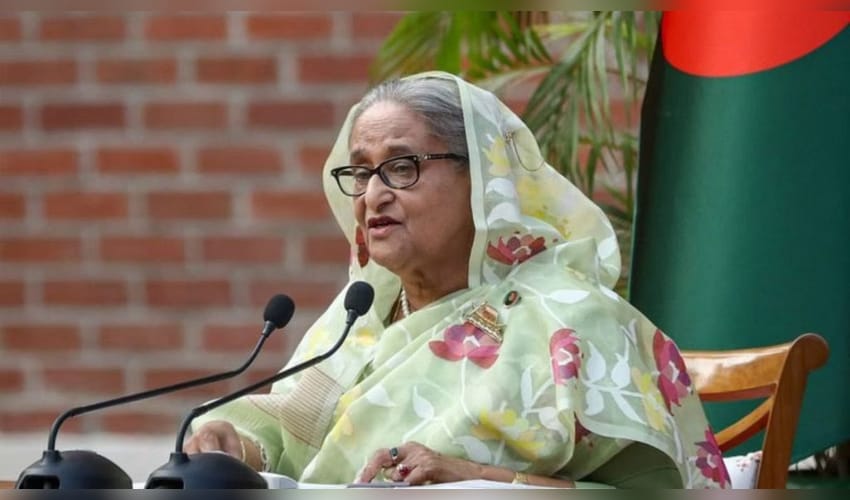

Former Bangladesh Prime Minister Sheikh Hasina has issued a sharp warning that the country is being torn apart by rising extremism, political violence, and a breakdown of law and order. Speaking after her removal from power, Hasina accused the current interim dispensation of allowing radical forces to gain strength, pushing Bangladesh toward instability and social fragmentation.
Hasina alleged that extremist groups, once kept on the fringes, are now operating openly and with growing influence. According to her, the weakening of state institutions and lax enforcement of security measures have created a permissive environment for radical elements to regroup. She claimed that violence, intimidation, and fear have become widespread, particularly affecting religious minorities, women, and political opponents.
The former prime minister asserted that Bangladesh’s secular character is under direct threat, warning that extremist ideology is steadily replacing democratic values. She accused the authorities of releasing convicted militants and rehabilitating radical organisations under the guise of political reconciliation, a move she said has emboldened forces hostile to pluralism and social harmony.
Hasina also linked the rise in extremism to deteriorating regional relations, alleging that anti-India sentiment is being deliberately fuelled by radical groups to distract from domestic failures. She warned that such hostility could further isolate Bangladesh diplomatically and undermine its economic and security interests.
Her remarks come amid reports of communal tension, targeted attacks on minorities, and growing radical enforcement of religious norms in certain areas. Rights groups and observers have expressed concern that political uncertainty and a power vacuum have allowed hardline factions to assert greater control at the grassroots level.
At the same time, critics argue that the current crisis is rooted in years of political polarisation and institutional erosion. While Hasina’s long tenure brought stability and economic growth, it was also marked by allegations of authoritarianism and suppression of dissent, factors some analysts believe contributed to the present upheaval.
As Bangladesh moves through one of its most turbulent phases in decades, Hasina’s warnings underscore a deeper struggle over the nation’s identity and future. With extremism, governance, and democratic norms at stake, the direction the country takes in the coming months could have lasting consequences for internal stability and regional security.
This image is taken from The Print.



