



Economy
Pump Dealers Seek Standard Operating Procedure for Ethanol-Blended Petrol Testing
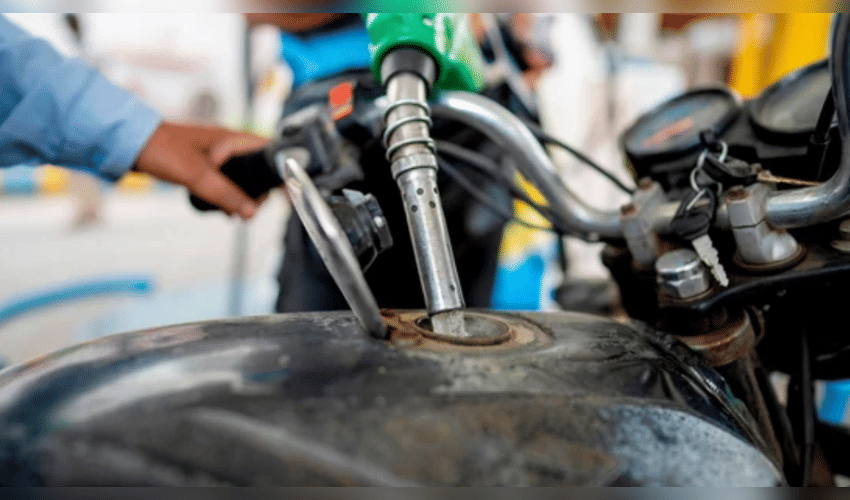

Petrol pump dealers across India have urged the government to introduce a clear standard operating procedure (SOP) and provide certified testing equipment to verify the ethanol content in petrol sold at retail outlets. The demand comes amid increased regulatory scrutiny of ethanol-blended fuel and concerns among dealers about being held accountable for fuel quality without having the means to independently test it.
Dealer associations say retail outlets receive fuel directly from oil marketing companies (OMCs) and have little control over the blending process. However, if fuel samples fail to meet prescribed standards during inspections, pump operators could face action despite lacking the tools needed to confirm the ethanol concentration before selling the fuel. Industry representatives have called for the introduction of government-approved testing kits that can be used at fuel stations to quickly verify ethanol levels. They have also sought a uniform SOP outlining how fuel should be sampled, tested, documented and reported during inspections.
The issue has gained attention as India continues expanding its Ethanol Blended Petrol (EBP) Programme, one of the country's flagship initiatives aimed at reducing dependence on imported crude oil and promoting cleaner transportation fuels. The programme has steadily increased ethanol blending over the past few years, with E20 petrol—containing up to 20% ethanol—being rolled out across the country.
According to dealer bodies, the absence of standardized testing mechanisms creates uncertainty for retailers, especially as enforcement measures become stricter. They argue that a transparent verification system would ensure accountability across the supply chain rather than placing the burden solely on fuel station operators.
Experts believe the introduction of portable ethanol testing devices could improve confidence among dealers, regulators and consumers alike. Standardized testing would help identify any discrepancies in fuel quality at an early stage, reducing disputes between retailers and suppliers while ensuring vehicles receive fuel that meets government specifications.
The demand for an SOP also comes at a time when fuel quality has become a key topic within the automotive industry. Vehicle manufacturers have emphasized the importance of consistent fuel standards as newer engines are designed to operate efficiently with higher ethanol blends. Uniform testing protocols could help address concerns related to engine performance while strengthening consumer trust in the transition to cleaner fuels.
India's ethanol blending programme has delivered significant benefits by lowering crude oil imports, reducing carbon emissions and creating additional income opportunities for farmers through increased demand for ethanol feedstock. As the country moves closer to achieving its long-term clean energy goals, industry stakeholders say strengthening quality assurance at the retail level will be critical. For petrol pump dealers, the solution lies in equipping retail outlets with reliable testing tools and issuing clear operational guidelines. They believe such measures would not only simplify compliance but also ensure that responsibility for fuel quality is shared fairly across the entire distribution network.



