



News
Parliament Greenlights VB-G RAM G Bill, Ditching MGNREGA Amid Overnight Protests
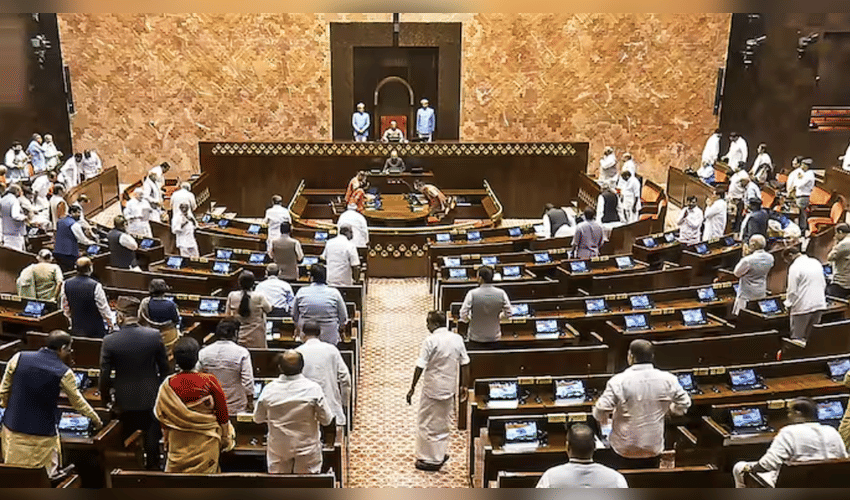

In a dramatic late-night session, both the Lok Sabha and Rajya Sabha approved the Viksit Bharat Guarantee for Rozgar and Ajeevika Mission (Gramin) Bill, or VB-G RAM G, officially replacing the Mahatma Gandhi National Rural Employment Guarantee Act. Passed on December 18 amid intense debate, voice votes, and loud opposition protests, the proceedings spilled beyond Parliament with opposition members staging an overnight dharna outside the complex.
The new legislation expands rural employment guarantees to 125 days per household each year, exceeding MGNREGA’s earlier 100-day limit, while shifting focus toward long-term asset creation such as irrigation systems, rural roads, and climate-resilient infrastructure. It introduces mandatory biometric attendance, geotagging of works, and digital monitoring, along with weekly wage payments to be cleared within 15 days. Funding will now follow a Centre–state cost-sharing model, a move the government says will reduce corruption and inefficiency. Rural Development Minister Shivraj Singh Chouhan described the bill as a transformative step toward Viksit Bharat 2047, citing pilot projects where technology-driven monitoring reportedly boosted farmer incomes.
The opposition, however, strongly condemned the move, accusing the government of undermining Mahatma Gandhi’s legacy by removing his name from the scheme. Led by Congress president Mallikarjun Kharge, opposition MPs disrupted proceedings, staged walkouts, and demanded the bill be sent to a select committee. Rahul Gandhi warned that altering a proven welfare programme could trigger rural discontent, while critics argued that requiring states to contribute up to 40 percent of funding would strain poorer states like Bihar and ultimately harm vulnerable workers.
Introduced in 2005, MGNREGA served as a critical safety net for rural households but was often criticized for leakages, delays, and ballooning costs that crossed one lakh crore rupees annually. VB-G RAM G seeks to address these shortcomings through tighter accountability and technology-driven oversight, but its impact will depend heavily on state cooperation and effective implementation. As the rollout begins, the scheme’s ability to generate sustainable livelihoods rather than political conflict remains a key question for rural India.



