



World
Pakistani Leader Says Army Abandoned Kargil Soldiers and Hid War Casualties
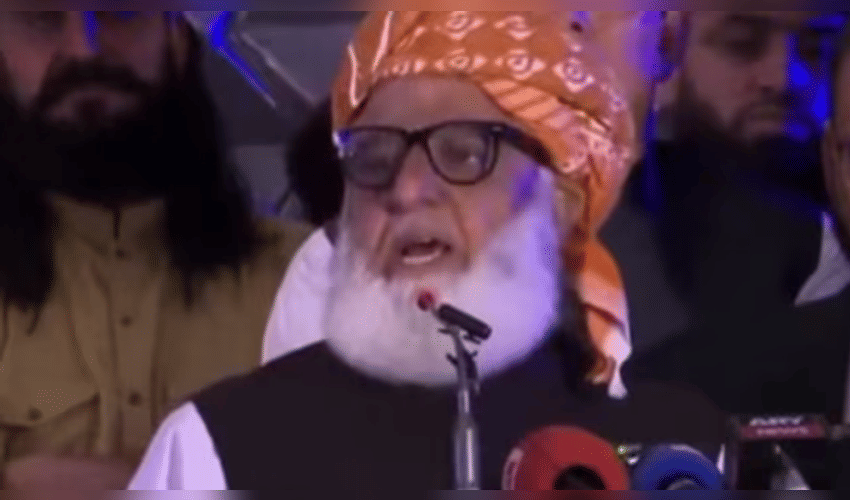

A political controversy has erupted in Pakistan after senior politician and Jamiat Ulema-e-Islam (JUI-F) chief Maulana Fazal-ur-Rehman said that the Pakistan Army of abandoned its own soldiers during the 1999 Kargil War and concealed the true extent of its battlefield losses. Addressing a public gathering ahead of the anniversary of the Kargil conflict, Fazal-ur-Rehman questioned the military's handling of the war and said that Pakistan never disclosed the actual number of soldiers killed. He claimed the army refused to receive the bodies of many of its personnel, leaving them on the battlefield.
According to Rehman, Pakistan failed to honour its fallen soldiers by declining to accept their remains after the conflict. He referred to reports from the time that Indian forces buried several Pakistani soldiers according to Islamic customs after Islamabad refused to acknowledge them. He also cited the case of Captain Karnal Sher Khan, claiming his body was accepted only after India's insistence. The remarks have revived debate over Pakistan's official narrative of the Kargil War. During the 1999 conflict, Pakistan maintained that the fighting was led by Kashmiri militants, while India asserted that regular Pakistani Army personnel had crossed the Line of Control and occupied strategic positions in the Kargil sector.
India launched Operation Vijay to evict the infiltrators, eventually recapturing all occupied positions. The conflict ended in July 1999, with India marking the victory annually as Kargil Vijay Diwas on July 26. Military historians have long noted that Pakistan initially denied the involvement of its regular army in the operation. The controversy over the recovery and identification of Pakistani soldiers' bodies has remained one of the most debated aspects of the conflict.
Rehman's criticism comes at a time when Pakistan's military establishment is facing increasing scrutiny over its role in national politics and security affairs. His comments have fueled fresh discussion within Pakistan over transparency, accountability, and the treatment of soldiers who lost their lives during one of South Asia's most significant military confrontations. The latest remarks are expected to intensify political debate in Pakistan ahead of the Kargil War anniversary, as questions over the conflict's legacy and the military's wartime decisions once again come to the forefront.



