



Asia In News
Pakistan's Mediation Effort in the Iran-US Conflict Faces Challenges From Its Saudi Ties
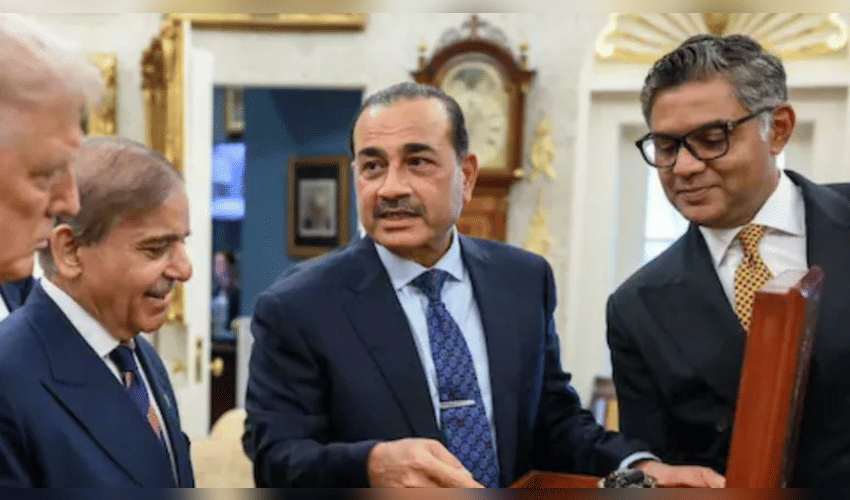

Pakistan is stepping into the fray of the escalating Iran–United States conflict, positioning itself as a neutral mediator in a tense standoff that has drawn global attention. Prime Minister Shehbaz Sharif has publicly offered to host peace talks in Islamabad, a move that signals Pakistan’s ambition to reformat its image from a regional crisis hotspot to a diplomatic peacemaker. Behind the scenes, Pakistan’s military and intelligence channels are relaying messages between Washington and Tehran, capitalizing on a decades-old 15‑point proposal from the U.S. to Iran, which has been floated through Islamabad as a potential framework for de‑escalation.
This mediation effort comes amid U.S. President Donald Trump’s ultimatum to Iran, granting a five‑day window to halt attacks on U.S. and allied interests, backed by a readiness to deploy 15,000 additional troops. Pakistan’s geographic proximity to Iran—sharing a 950‑kilometer border—and its historical ties with both Gulf Arab states and Tehran, courtesy of a large Shia population, lend it a veneer of neutrality. However, this neutrality is under severe strain as the region teeters on the brink of wider conflict, with potential for Iranian retaliation and Gulf spillovers.
Pakistan’s bid has collided head‑on with its 2025–2026 defence‑cooperation pact with Saudi Arabia, which treats any attack on the kingdom as an attack on Pakistan. Riyadh has invoked this clause repeatedly following Iranian‑backed drone and missile strikes on Saudi oil and power infrastructure, retaliatory actions for U.S. and Israeli strikes on Iranian targets. This mutual‑support agreement creates a structural conflict for Islamabad, which claims to mediate “peace” while simultaneously pledging firm support to Saudi Arabia against what Riyadh labels as “Iranian aggression.”
Saudi officials and media have voiced growing frustration over Pakistan’s reluctance to deploy forces or provide direct military backing, despite the pact. Reports suggest Saudi Arabia views Islamabad as too soft on Tehran, undermining Pakistan’s credibility as a neutral broker. If Tehran escalates attacks on Saudi interests in retaliation for U.S. actions, Pakistan could face a Hobson’s choice: risk its alliance with Riyadh by siding with Iran or alienate Tehran by backing Saudi Arabia, both scenarios jeopardizing its regional standing. This tightrope walk risks igniting sectarian tensions within Pakistan and threatening its lifeline of Gulf remittances and energy supplies.
Pakistan’s initiative unfolds alongside mediation attempts by Turkey and Egypt, all vying to prevent a broader West Asia war that could destabilize global energy markets and migration flows. The proximity of this conflict to Indian borders has also raised internal security concerns, with heightened tensions in the region. For Pakistan, success could emulate its historic role in facilitating U.S.‑China rapprochement in the 1970s, boosting its diplomatic capital. Yet, the Saudi problem looms large, as any perceived tilt toward Iran could fracture its Gulf alliances, while overt alignment with Riyadh risks inflaming its border with Iran.
For your news‑cum‑blog platform, this angle offers SEO‑rich hooks like “Pakistan Iran‑US mediation,” “Saudi‑Pakistan defence pact,” and “West Asia war diplomacy,” alongside human‑interest narratives on regional security and peacemaking. The story underscores the fragility of Pakistan’s balancing act in a multipolar Middle East, where peace brokerages collide with old alliances.



