



News
Pakistan's Diplomatic Ambitions Under Pressure as Internal Conflicts Challenge Its Role as a Regional Mediator
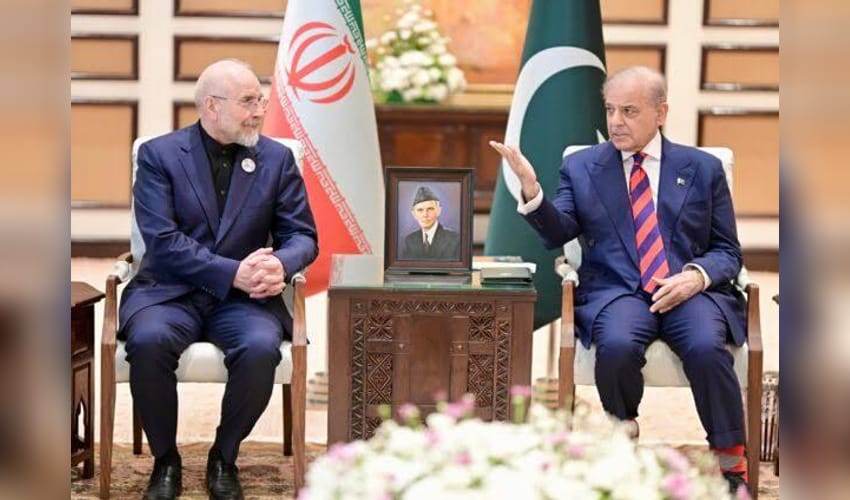

Pakistan has increasingly sought to project itself as a diplomatic player in regional conflicts. However, critics argue that the country’s growing external ambitions are coming at a time when it continues to face serious internal security, political, and economic challenges.
While Pakistan attempts to position itself as a bridge between the United States and Iran and maintain its strategic partnership with Saudi Arabia, it continues to grapple with conflicts within its own neighborhood. Rising tensions with Afghanistan, instability in Balochistan, continuing unrest in Pakistan-administered Kashmir, political polarization, and economic pressures have created significant challenges for the Pakistani state.
The worsening Pakistan-Afghanistan relationship has become one of Islamabad’s most pressing security concerns. Cross-border attacks, disputes over militant activity, and disagreements regarding border management have led to increasing hostility between the two countries. Instead of achieving a stable western border, Pakistan now faces renewed tensions with a neighbour that has historically been central to its security calculations.
At the same time, Pakistan continues to face internal unrest in regions such as Balochistan, where activists and local groups have raised allegations related to enforced disappearances, security operations, and political grievances. In Pakistan-administered Kashmir, recurring protests over inflation, shortages of essential commodities, governance issues, and demands for greater political and economic rights have also highlighted growing public discontent.
Reports of clashes between protesters and security forces, along with allegations of excessive use of force, have drawn attention to the region's fragile security environment. These domestic challenges have raised questions about Islamabad’s ability to resolve internal disputes while attempting to mediate conflicts beyond its borders.
Despite these challenges, Pakistan has sought to portray itself as a diplomatic facilitator in Middle Eastern affairs. Islamabad has attempted to maintain relations with Saudi Arabia while also engaging with Iran, positioning itself as a possible channel for dialogue between competing regional powers.
However, critics argue that a country struggling with unresolved internal conflicts may find it difficult to convince others of its ability to act as a neutral and effective mediator. They point to the contradiction between Pakistan’s diplomatic ambitions abroad and the ongoing challenges within its own borders. The situation in Pakistan-administered Kashmir, where demands for accountability, improved governance, and economic relief have periodically intensified alongside broader political grievances, has added another layer to these concerns.
The renewed Houthi threats against Saudi Arabia have further complicated Pakistan’s position. With defence ties linking Islamabad and Riyadh, Pakistan may face pressure to support its strategic partner, potentially limiting its ability to maintain neutrality in regional disputes.
Pakistan now faces a difficult question: can it successfully play the role of a regional mediator while managing its own security crises at home? For Islamabad, balancing international ambitions with domestic stability will remain a major challenge. The simultaneous challenges posed by tensions along the Afghanistan border, unrest in Balochistan, and continuing instability in Pakistan-administered Kashmir underscore the complexity of Pakistan’s internal security landscape. Without addressing internal conflicts and political tensions, critics argue that Pakistan’s image as a peace broker may continue to face scrutiny.
Disclaimer : This image is taken from The Diplomats.



