



News
Pakistan PM's U-Turn on Boycott Exposes Political Interference as Team Ordered to Play Match
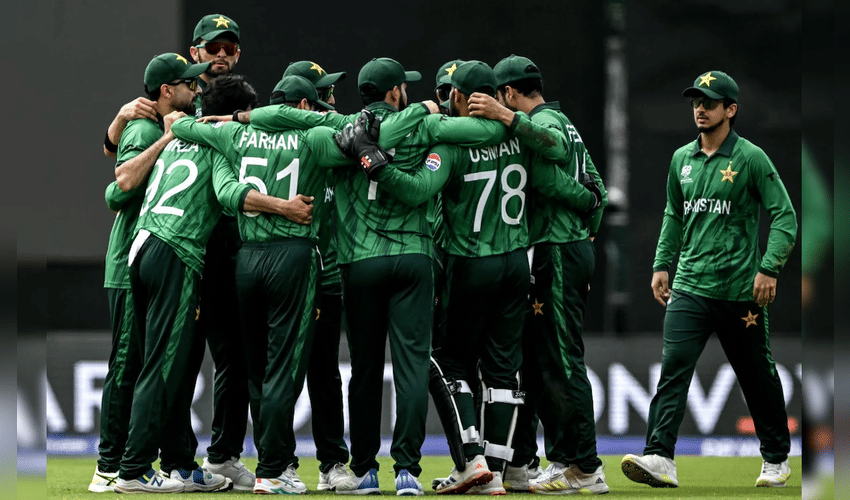

In a sharp reversal that has drawn widespread criticism, Pakistan Prime Minister Shehbaz Sharif has backtracked on calls to boycott an international match and instead directed the national team to take the field, underscoring persistent political interference in Pakistan’s sports administration.
The sudden U-turn comes after days of posturing and mixed signals from Islamabad, during which boycott threats were floated as a show of political resolve. Observers say the reversal highlights the lack of institutional autonomy within Pakistan’s sporting bodies, which remain vulnerable to shifting political calculations rather than governed by professional or regulatory considerations.
Cricket analysts note that such flip-flops damage Pakistan’s credibility on the international stage, particularly within global sporting organisations that expect members to adhere to fixed schedules and binding agreements. “Threatening a boycott and then ordering players to participate makes Pakistan look indecisive and unreliable,” one former official remarked.
The episode has also revived concerns over the Pakistan Cricket Board’s dependence on political directives, with critics arguing that routine sporting decisions should not require intervention from the prime minister’s office. Comparable cricketing nations, they point out, insulate their boards from direct political control to maintain stability and international trust.
Pakistan’s repeated use of boycott threats has historically ended in retreats, often under financial, diplomatic or regulatory pressure. Critics say this pattern reflects a broader governance problem, where symbolic defiance is projected for domestic consumption but quietly abandoned when consequences loom.
As the team prepares to play, the controversy has left lingering questions about Pakistan’s decision-making processes and whether its institutions can act independently of political impulses without exposing the country to repeated embarrassment on the world stage.
This image is taken from NDTV.



