



Asia In News
Pakistan Minister Warns Growing Youth Frustration Could Trigger Major Public Movement
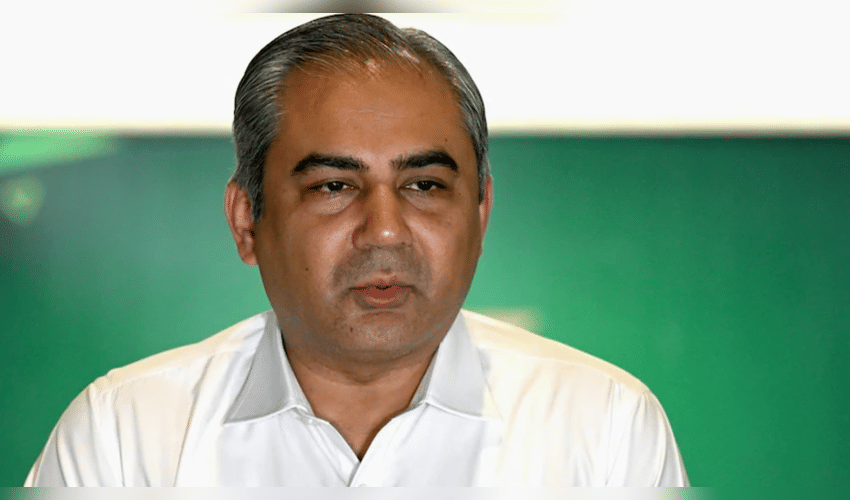

Pakistan's Interior Minister Mohsin Naqvi has cautioned that growing frustration among the country's youth could evolve into a powerful nationwide movement if their grievances remain unaddressed. His remarks, made during the Pakistan Economic Summit in Islamabad, come amid mounting economic challenges and increasing calls for governance reforms. Speaking at the summit, Naqvi stressed that Pakistan's existing governance system is no longer equipped to deal with the country's persistent economic and administrative problems. He argued that structural reforms are necessary to improve governance and restore public confidence.
During his address, the minister used a striking analogy while referring to the country's younger generation. He suggested that if frustrated youth were to unite, they could become a force capable of dramatically changing the country's political and social landscape. The comments quickly attracted attention on social media and sparked widespread political discussion.
Naqvi said Pakistan's citizens are not seeking financial handouts but rather a fair and transparent system that offers equal opportunities, justice, and merit-based governance. He called for reforms aimed at decentralising power and strengthening local government institutions to improve service delivery and accountability.
Later, while speaking to reporters, the interior minister said Pakistan's long-term challenges cannot be solved by the military alone. He stressed that elected governments and political leaders must take responsibility for implementing institutional reforms that address the root causes of the country's recurring crises. His remarks come as Pakistan continues to face high inflation, unemployment, slowing economic growth and political uncertainty. These issues have particularly affected young people, many of whom are struggling with limited job opportunities and rising living costs.
Political observers say Naqvi's comments reflect growing concern within Pakistan's leadership over increasing public dissatisfaction, especially among the country's large youth population. Analysts note that young people, empowered by social media and digital communication platforms, have played a significant role in shaping political movements across South Asia in recent years.
The minister's warning has also drawn attention because it coincides with a period of heightened youth-led activism in the region, where demands for accountability, transparency and better governance have become increasingly visible. While Naqvi did not announce any specific policy measures, his remarks underscore the challenges facing Pakistan as it seeks to balance economic recovery with public expectations for meaningful governance reforms. Whether the government's response translates into concrete action remains to be seen, but the comments have added fresh momentum to the debate over the country's political and economic future.



