



Asia In News
Pakistan Allowed Iranian Jets At Nur Khan Airbase To Avoid Possible US Strikes: Report
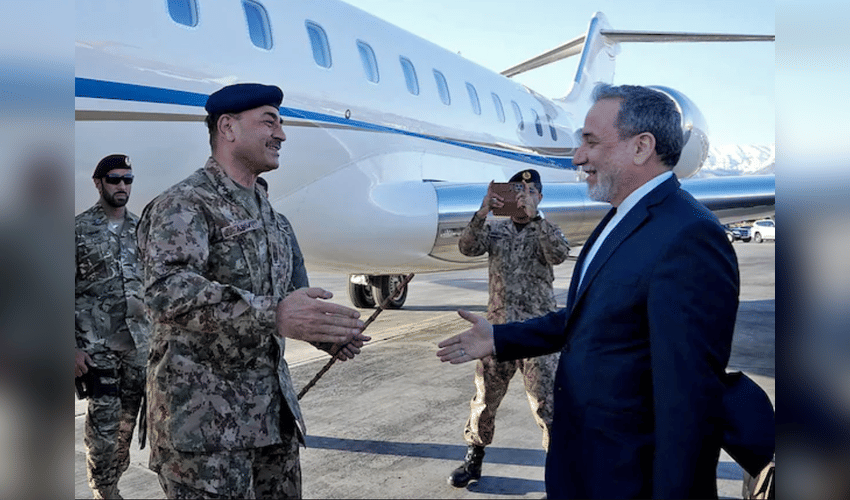

lamabad: Pakistan reportedly allowed Iran to temporarily station military aircraft at the strategically important Nur Khan Airbase during heightened tensions between Tehran and Washington, according to recent media reports citing unnamed US officials. The report claims the move was aimed at protecting Iranian aircraft from potential American or Israeli airstrikes during the recent conflict phase in the Middle East. Among the aircraft allegedly moved was said to be an Iranian reconnaissance plane linked to intelligence-gathering operations.
Nur Khan Airbase, located near Rawalpindi, is considered one of Pakistan’s most sensitive military facilities and serves as a major operational hub for the Pakistan Air Force. Due to its high-security infrastructure and strategic location, the base is viewed as one of the safest military installations in the region. Pakistan has denied the allegations, with officials reportedly dismissing claims that Iranian military assets were hosted at Pakistani airbases. However, the reports have sparked international attention because of Pakistan’s delicate diplomatic position between the United States and Iran.
Islamabad has publicly maintained a neutral stance during recent regional tensions and has repeatedly called for dialogue and de-escalation. Analysts say any perception of covert military assistance to Iran could complicate Pakistan’s relations with Washington, especially at a time when regional security dynamics remain highly sensitive.
Security experts believe that if such cooperation took place, it may have been intended as a temporary protective measure rather than a formal military alliance. Still, the development highlights the increasingly complex geopolitical balancing acts being played across South Asia and the Middle East.
The reports have not been independently verified, and no official evidence confirming the alleged aircraft transfers has been released publicly so far. The development comes amid rising military and diplomatic uncertainty across the region, where countries are increasingly navigating between competing global powers while trying to protect their own strategic interests.



