



Asia In News
'No Jurisdiction': India Rejects Hague Court Indus Waters Treaty Ruling
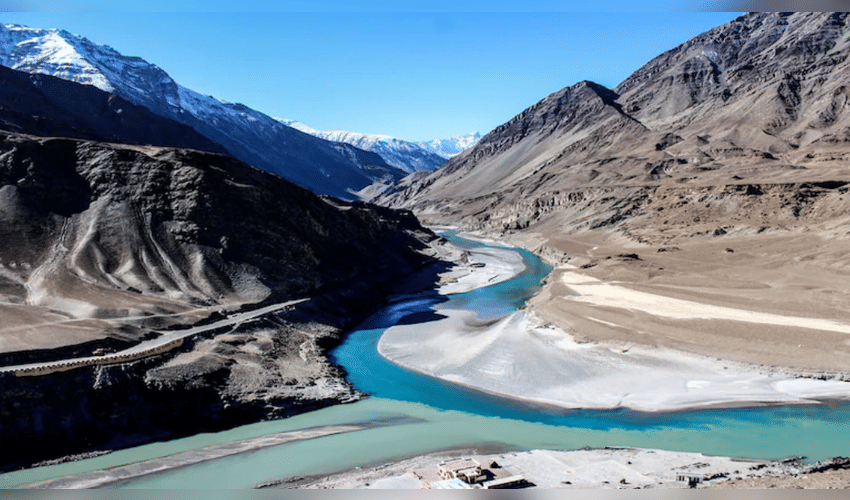

India has rejected the latest ruling by the Hague-based Court of Arbitration on the Indus Waters Treaty, maintaining that the tribunal has no jurisdiction over the country’s sovereign decisions. The Ministry of External Affairs said the arbitration proceedings were being conducted by what India considers an “illegally constituted” tribunal and reiterated that its decisions have no bearing on India’s actions concerning its hydroelectric projects.
The Indian response came after the Court of Arbitration issued a decision concerning the 1960 Indus Waters Treaty, which governs the sharing and use of the Indus river system between India and Pakistan. The tribunal has maintained that the treaty remains in force and that India cannot unilaterally suspend its obligations under the agreement.
India, however, has refused to recognise the authority of the arbitration panel. New Delhi has argued that the proceedings do not have a valid legal basis and that the tribunal was constituted in a manner inconsistent with the treaty's dispute-resolution mechanism. India has also stayed away from the arbitration proceedings. The dispute is closely linked to Pakistan's objections to Indian hydroelectric projects on the western rivers, particularly the Ratle Hydroelectric Project on the Chenab River in Jammu and Kashmir. Pakistan has raised concerns over certain design features of Indian projects, while India maintains that its hydropower developments are permitted under the provisions of the Indus Waters Treaty.
The latest ruling reportedly includes interim directions related to the Ratle project while technical issues surrounding the project are considered. The development has added to an already complex dispute between the two neighbouring countries over water rights and treaty obligations. The Indus Waters Treaty was signed in 1960 with the World Bank playing a key role in its establishment. Under the agreement, India received rights over the eastern rivers — Ravi, Beas and Sutlej — while Pakistan was given extensive rights over the western rivers — Indus, Jhelum and Chenab. The treaty also allows India limited uses of the western rivers, including water for hydropower generation, subject to specified conditions.
The agreement remained in place despite wars and repeated diplomatic crises between India and Pakistan. Its future, however, has come under increasing pressure following the deterioration in bilateral relations. India announced in April 2025 that it was placing the Indus Waters Treaty in abeyance following the Pahalgam terror attack. New Delhi blamed Pakistan-based elements for the attack, while Islamabad rejected the allegations. Since then, water-sharing arrangements have emerged as a major point of friction between the two countries.
The Hague arbitration proceedings have continued despite India's objections. Pakistan has backed the international process and has sought legal intervention over its concerns regarding India's projects on the western rivers. India's latest response makes clear that New Delhi does not accept the tribunal's authority or its conclusions. The government has maintained that an external arbitration body cannot determine India's sovereign decisions, particularly when India does not recognise the validity of the proceedings.
The disagreement now places the Indus Waters Treaty at the centre of a wider diplomatic and legal confrontation. While the arbitration panel considers the treaty and its dispute-resolution mechanisms operational, India insists that the tribunal lacks jurisdiction. With neither side appearing ready to change its position, the dispute over the treaty, India's hydropower projects and the broader management of the Indus river system is expected to remain a significant issue in India-Pakistan relations.
Disclaimer: This image is taken from NDTV.



