



News
Pakistan Defence Minister Calls US Alliance ' Grave Mistake ', Links It to Rising Terrorism
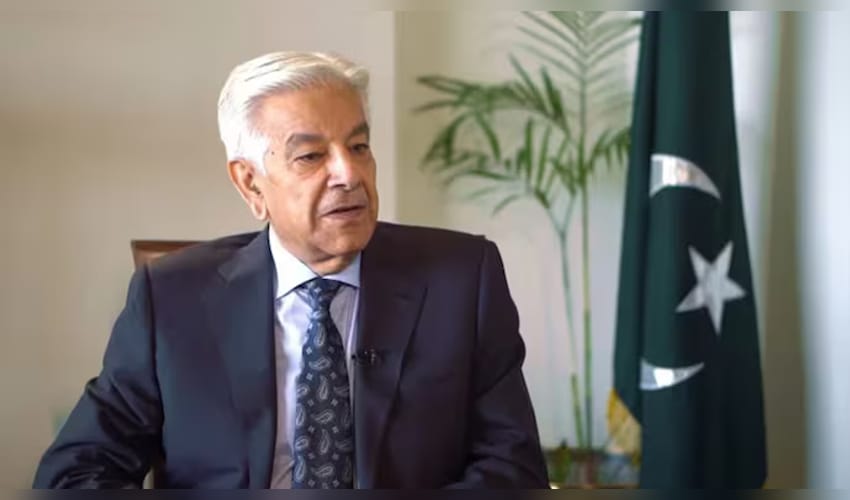

In a rare moment of candour, Pakistan’s Defence Minister Khawaja Asif has acknowledged that the country’s decades-long alignment with the United States during the Afghan wars was a “grave mistake,” admitting that the policy has had lasting and damaging consequences for Pakistan’s internal security.
Asif blamed former military rulers for what he described as appeasing a global superpower at the expense of national stability. He said Pakistan’s participation in US-led efforts during the Soviet-Afghan war and later the post-9/11 campaign created conditions that ultimately fuelled militancy at home. According to him, the terrorism Pakistan faces today is a form of “blowback” from those strategic decisions.
The defence minister’s remarks amount to a striking critique of Pakistan’s long-standing security doctrine, which relied heavily on geopolitical manoeuvring and support for armed proxies during regional conflicts. For decades, successive governments defended those policies as necessary for national interest. Asif’s statement, however, suggests growing recognition within Islamabad that those choices may have backfired.
He also criticised the promotion of jihadist narratives during earlier eras, acknowledging that ideological mobilisation once encouraged for foreign policy objectives later evolved into domestic extremism. Analysts have long argued that militant infrastructure cultivated for strategic depth eventually turned inward, destabilising Pakistan itself.
Asif further claimed that Pakistan was “used and abandoned” by Washington, arguing that after serving US strategic goals, the country was left to manage the security fallout alone. The perception of betrayal has been a recurring theme in Pakistani political discourse, particularly after shifts in US regional priorities.
However, critics say Islamabad cannot deflect responsibility entirely onto external actors. They contend that Pakistan’s own military establishment shaped and sustained policies that empowered militant networks, and that accountability at home remains limited. The admission of error, they argue, must be followed by concrete reforms in security doctrine and civil-military relations.
Pakistan continues to grapple with frequent militant attacks, especially in Khyber Pakhtunkhwa and Balochistan. Despite repeated counterterrorism operations, violence persists, raising questions about whether the state has fully dismantled the legacy structures created during earlier conflicts.
Asif’s comments reflect an unusual public acknowledgment of strategic miscalculation at the highest levels of government. Whether this marks the beginning of a genuine policy rethink or remains a rhetorical distancing from past regimes remains to be seen. For many observers, the real test lies in whether Pakistan is willing to confront not only the consequences of its past alliances, but also the internal systems that enabled them.
This image is taken from India Today.



