



World
Israel slams Pakistan after Defence Minister "cancerous state" remark amid fragile US-Iran truce
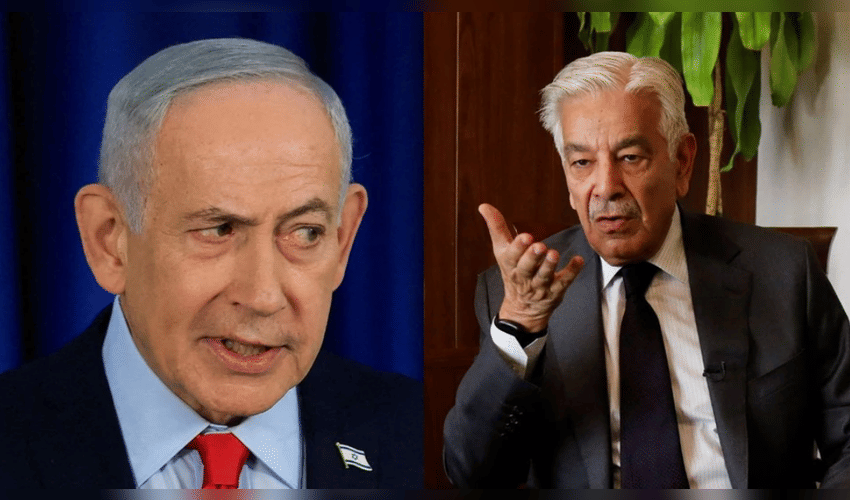

Israel has strongly condemned Pakistan over comments by its Defence Minister Khawaja Asif, who described the Jewish state as a “cancerous” and “evil” entity, at a time when Washington and Tehran are struggling to preserve a fragile truce. The sharp exchange has cast fresh doubt on Pakistan’s role as a potential mediator in regional peace efforts.
Israel’s Foreign Minister Gideon Sa’ar dismissed Asif’s remarks as “blatant antisemitic blood libels” and accused him of echoing a call for Israel’s destruction. In a statement, Sa’ar said Israel “will defend itself against terrorists who vow its destruction,” framing the Pakistani minister’s language as compatible with terrorist rhetoric rather than legitimate political debate.
Prime Minister Benjamin Netanyahu’s office also weighed in, calling the comments “outrageous” and warning that such language cannot come from a government that claims to be a neutral facilitator in peace talks. The Israeli leadership has made it clear that it will not accept denunciation in public while backing quiet diplomacy behind the scenes.
Khawaja Asif reportedly referred to Israel as a “cancerous state” and a “curse for humanity” during a public address, linking its creation to what he called an effort to “get rid of European Jews” on Palestinian land. He also said he “hopes” those responsible for establishing Israel will “burn in hell,” wording that Tel Aviv has interpreted as antisemitic and incendiary.
Pakistan’s stance on Israel has long been uncompromising, with no formal diplomatic ties and vocal support for the Palestinians. However, this latest outburst has drawn sharper rebuke because it coincided with efforts by Islamabad to position itself as a bridge between the United States and Iran, at a moment when both powers are holding back–to–back talks to keep a fragile ceasefire on track.
Pakistan has recently sought to play a role in easing tensions between Washington and Tehran, especially over issues such as Lebanon, oil‑route disputes, and compliance with a tentative truce deal. If successfully brokered, such a role could boost Islamabad’s diplomatic profile in the region. Instead, the Defence Minister’s remarks have given Israel grounds to question Pakistan’s neutrality and credibility as a mediator.
With the US–Iran truce already fragile and under pressure from multiple fronts, any perceived bias in the mediation process could further weaken trust. Analysts warn that inflammatory rhetoric from senior officials, even if aimed at domestic audiences, can easily derail delicate negotiations and harden positions on all sides.
The row underscores how quickly political invective can spill into diplomacy, especially in a region where security and symbolism are closely intertwined. For Israel, the message is that any call for its annihilation—however indirectly phrased—will be treated as a security threat. For Pakistan, the episode highlights the cost of balancing populist rhetoric at home with the expectations of global partners abroad. As the Middle East enters another phase of uncertainty, the clash between Israel and Pakistan over words may well become a case study in how much weight a single headline‑grabbing remark can carry in shaping the course of regional peace efforts.



