



Asia In News
Iran's Potential Windfall Under Trump's Proposed Deal: Sanctions Relief, Frozen Assets and a 300 Billion dollar Investment Push
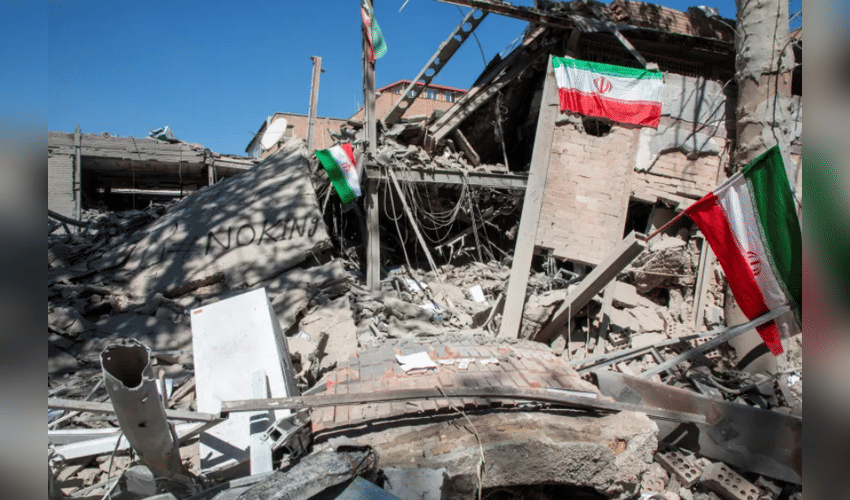

As discussions surrounding a potential new agreement between the United States and Iran gather attention, much of the focus has shifted from diplomacy to economics. At the heart of the conversation lies a simple question: what exactly does Iran stand to gain if a deal backed by former U.S. President Donald Trump moves forward? At least on paper, is substantial. From access to frozen overseas funds to the possibility of attracting hundreds of billions of dollars in investment, the proposed framework could offer Iran one of its biggest economic openings in years.
For more than a decade, sanctions have shaped nearly every aspect of Iran's economy. Restrictions on banking, trade and oil exports have limited the country's ability to participate in global markets. While Iran has managed to keep parts of its economy functioning despite these barriers, the cost has been significant. Inflation, currency volatility and reduced foreign investment have all been recurring challenges.
A deal that eases those sanctions could change the equation dramatically. One of the most immediate benefits would be Iran's ability to sell more oil internationally. Energy exports remain the backbone of the country's economy, and greater access to global buyers could generate billions of dollars in additional revenue. At a time when many governments are struggling with economic uncertainty, such an increase in income would be difficult for Tehran to ignore.
Another major incentive reportedly linked to the negotiations is the potential release of Iranian assets frozen abroad. Over the years, large sums of money have remained inaccessible because of international sanctions. If diplomatic progress leads to those funds becoming available, even partially, Iran would gain access to financial resources that could strengthen government finances and support economic development projects.
Yet the figure attracting the most headlines is the proposed $300 billion investment initiative associated with the deal. The plan reportedly envisions large-scale investments in infrastructure, energy production, transportation networks and industrial development. While the headline number is impressive, experts caution that such investments would likely arrive gradually and depend heavily on political stability, investor confidence and Iran's willingness to meet the conditions attached to any agreement.
The proposal highlights an important reality. Beyond sanctions relief, Iran's leadership is seeking long-term economic growth. Foreign investment has the potential to modernize aging infrastructure, create jobs and improve productivity across key sectors. Supporters of the initiative argue that these benefits could have a lasting impact that extends well beyond short-term financial gains.
The implications are not limited to Iran alone. A reduction in tensions between Washington and Tehran could influence global energy markets, particularly if Iranian oil exports increase significantly. Greater supply could affect oil prices and reshape energy trade patterns across parts of Asia, Europe and the Middle East. Businesses and investors around the world are therefore watching developments closely.
The path to these potential gains remains far from certain. Reports suggest that sanctions relief, access to frozen funds and participation in investment programs would not be granted automatically. Instead, each benefit would likely be tied to specific commitments and compliance measures. In other words, the economic rewards would come in stages rather than as an immediate windfall. That distinction is important because it means the headline figures often discussed in public debates represent potential outcomes rather than guaranteed benefits. Negotiations of this scale are rarely straightforward, and both sides would need to overcome significant political and diplomatic hurdles before any agreement could be fully implemented.
For Iran, though, the stakes are clear. The prospect of renewed oil revenues, recovered financial assets and large-scale international investment presents an opportunity that could reshape its economic future. Whether that opportunity becomes reality will depend on the success of negotiations and the willingness of both countries to follow through on their commitments. The proposed deal remains a subject of intense debate. But if it moves forward, its economic impact could be felt far beyond the negotiating table, influencing not only Iran's future but also broader trends in global energy and international trade.



