



News
Iran Exposes Pakistan Double Game Tehran Targets Asim Munir Over Alleged Pro US Tilt
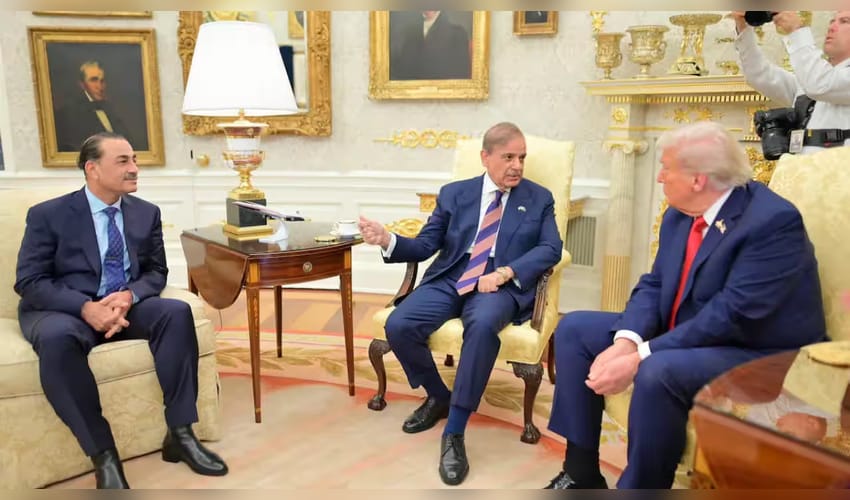

Pakistan’s role as a mediator in the Iran United States conflict has come under sharp attack after Tehran accused Islamabad of playing a “double game” and questioned the neutrality of Asim Munir amid ongoing ceasefire negotiations. The allegations mark a significant diplomatic setback for Pakistan, which has been attempting to position itself as a key peace broker between Iran and the United States.
Iranian officials have openly accused Pakistan of tilting toward the United States, claiming that its mediation efforts are biased and lack credibility. Tehran has also expressed frustration that its proposed peace framework has been ignored while US backed demands continue to dominate negotiations. The criticism comes at a time when the United States publicly praised Pakistan’s leadership, including Prime Minister Shehbaz Sharif and Munir, for pushing a ceasefire extension highlighting a stark contrast in how Islamabad is perceived by the two sides.
Iran’s accusations have reinforced long standing concerns about Pakistan’s reliability as a neutral intermediary. Analysts say Islamabad’s close ties with Washington, combined with its strategic dependence on Western and Gulf partners, have made its position increasingly difficult to defend. Tehran’s distrust has been building for weeks, with suspicions that Pakistan is merely relaying US positions rather than acting as an independent negotiator. This perception has been further fueled by Pakistan’s active role in conveying American proposals to Iran, including ceasefire frameworks and diplomatic messages, which critics argue undermines its claim of neutrality.
The controversy has also drawn attention to the outsized role of Pakistan’s military in shaping foreign policy. Munir, rather than civilian leadership, has emerged as the face of Pakistan’s diplomatic outreach raising questions about institutional balance and accountability. His direct engagement with both Washington and Tehran has been seen by some observers as an attempt to elevate Pakistan’s global standing. However, Iran’s latest remarks suggest that these efforts may be backfiring.
Pakistan now finds itself in a precarious position praised by the United States but distrusted by Iran. This dual perception threatens to derail Islamabad’s ambitions of becoming a credible mediator in one of the world’s most volatile conflicts. The situation has been further complicated by escalating tensions in the Strait of Hormuz and uncertainty surrounding ceasefire extensions, where Pakistan has been actively lobbying for continued dialogue.
Experts warn that Iran’s public criticism could significantly weaken Pakistan’s diplomatic leverage and limit its role in future negotiations. The “double game” narrative risks damaging Islamabad’s international image and raising doubts among other global players. For Pakistan, the episode underscores a deeper challenge balancing competing alliances while maintaining credibility on the global stage. With tensions still high and trust eroding, its role as a mediator now appears increasingly uncertain.
Disclaimer : This image is taken from MoneyControl.



