



World
Iran Clears Path for Indian LPG Tankers Through Strait of Hormuz Amid Crisis
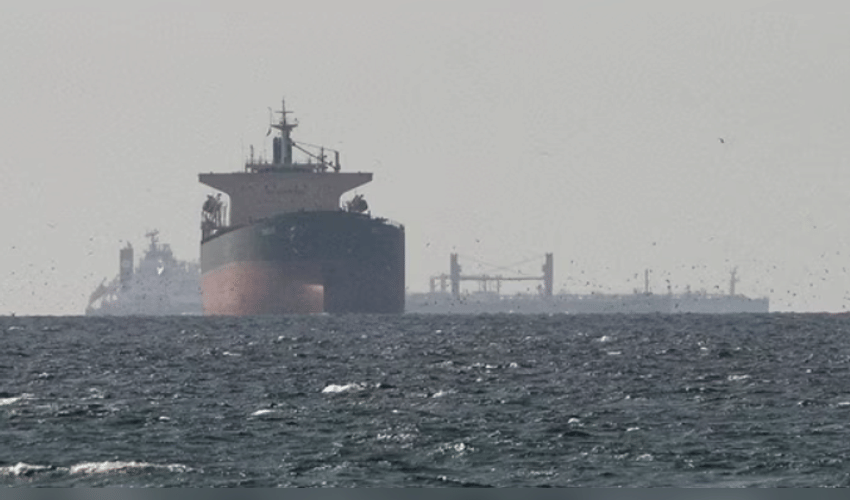

In a key diplomatic win for India, Iran has permitted two Indian-flagged liquefied petroleum gas (LPG) carriers to navigate the Strait of Hormuz, a vital chokepoint now strained by escalating Middle East conflicts. The vessels, identified as Shivalik and Nanda Devi, received clearance following urgent bilateral talks. This move comes as India scrambles to secure energy supplies disrupted since late February, when tensions spiked between Iran, the US, and Israel. High-level conversations between Prime Minister Narendra Modi and Iranian President Masoud Pezeshkian, alongside External Affairs Minister S. Jaishankar's dialogue with his counterpart Seyed Abbas Araghchi, paved the way for this exception.
The Strait of Hormuz handles roughly 20% of global oil and substantial LPG flows, making it indispensable for energy-hungry nations like India, which sources nearly half its crude imports through it. With over 300 million households relying on subsidized LPG cylinders, any blockade threatens widespread shortages and price hikes—potentially adding $5-10 per cylinder if prolonged.
Iran's ambassador to India, Mohammad Fathali, emphasized safe passage for "friendly" Indian ships, nodding to longstanding ties and India's past support. This follows a similar allowance for a Saudi crude tanker, hinting at selective pragmatism amid the standoff. Over two dozen Indian vessels, including eight tankers, remain queued nearby, underscoring the stakes.
For shipping operators, the episode highlights risks in concentrated routes and bolsters India's Chabahar port investments as a hedge. Oil prices, lingering near $90 per barrel last week, could stabilize short-term, but experts caution sustained disruptions might ripple worldwide. India continues pressing for more clearances to avert domestic cooking gas crises. As regional dynamics evolve, this gesture may foreshadow further exceptions, balancing energy security with geopolitical realities.



