



World
Iran Begins Charging Up To 2 Million dollar "Toll" For Ships Crossing Strait Of Hormuz
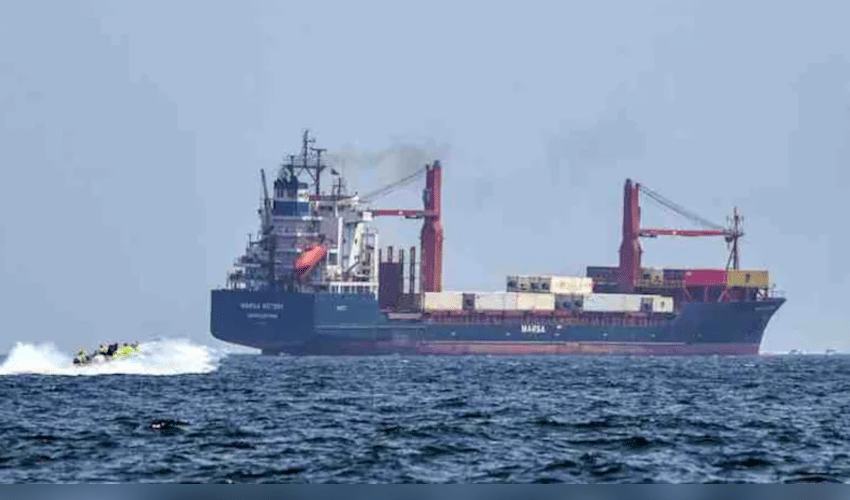

Tehran is now demanding hefty payments—reportedly up to around 2 million dollars—from some ships simply to pass through the Strait of Hormuz, effectively turning one of the world’s most critical oil routes into a high‑stakes, pay‑to‑pass corridor. The move underlines how the ongoing conflict has shifted from pure military posturing to a more structured form of economic and strategic control over global trade lanes.
Iranian authorities, including lawmakers and naval officials, have announced a “new regime” for vessels transiting the Strait of Hormuz, under which certain ships must pay for safe passage. Reports indicate that at least one shipping operator paid about 2 million dollars to safely move a single tanker through Iranian‑controlled waters, in what appears to be a targeted, case‑by‑case fee rather than a blanket tariff on all traffic. Tehran is framing the charges as a reflection of the country’s strength and a new “concept of sovereignty” over the strait, arguing that “war has costs” and that ships using the route should now contribute financially.
The Strait of Hormuz links the Persian Gulf with the Gulf of Oman and the wider Indian Ocean, serving as the primary maritime exit for a large share of Gulf oil and gas exports. Before the current crisis, the waterway typically handled roughly 20 million barrels of oil per day, making any disruption or gatekeeping a potential trigger for global energy shocks. Now, with Iran tightening control, many tankers are either rerouting, navigating narrow corridors close to Iranian shores, or coordinating carefully with Iranian authorities to avoid being stopped or seized.
Sources say Iran is vetting vessels and, in some cases, directing them through a controlled corridor while requiring advance coordination and payment for transit. The 2 million‑dollar fee reportedly came from a single ship owner dealing with Iranian authorities through complex channels that likely skirt existing sanctions. Officials have also suggested that, in the long term, the strait could be treated as a zone where transit tolls and taxes are expected from countries using it for energy, food, and commercial shipments, not just during the current conflict.
The move has drawn quiet alarm from major energy‑importing nations and shipping powers, who fear that monetizing such a critical chokepoint could set a dangerous precedent. International maritime law generally treats straits used for international navigation as open to all, even when they pass through a nation’s territorial waters, so unilateral tolls risk clashing with those norms. Shipping firms are also facing higher insurance and operating costs, which could ripple into higher energy and freight prices for consumers worldwide.
In practical terms, Iran is no longer relying only on the threat of seizures or blockades; it is starting to charge for access to the Strait of Hormuz. That shifts the calculus for ship owners and governments alike, forcing them to weigh the cost of paying, rerouting, or demanding stronger security guarantees from their navies. For global trade, the message is clear: in today’s geo‑political environment, even the most basic right of passage through a key waterway can come with a multimillion‑dollar price tag—and the rules of the sea may be quietly rewritten one tanker at a time.



