



News
IndiGo Flight Cancellations Leave Passengers Stranded and Emotional
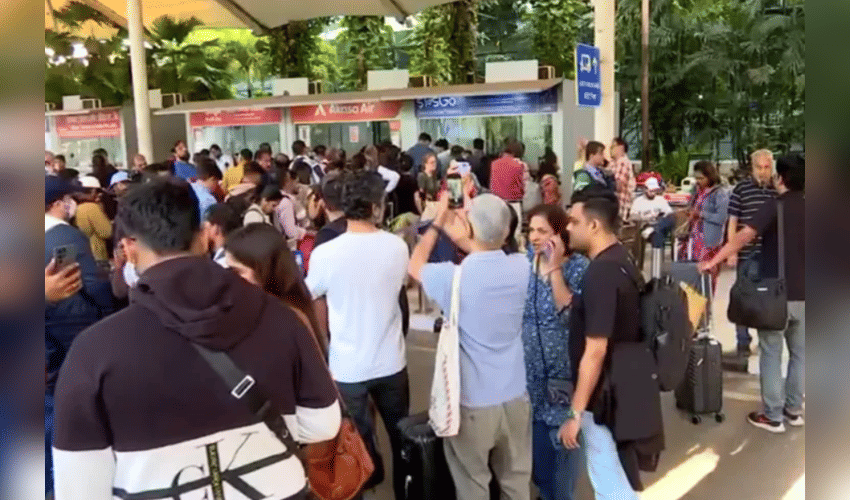

IndiGo, India's largest airline, is grappling with a severe operational crisis that has led to the cancellation of hundreds of flights across major airports, including Delhi, Mumbai, Bengaluru, and Ahmedabad. The disruptions have caused significant distress among passengers, many of whom were left stranded without clear information or alternatives.
The cancellations are mainly due to a critical shortage of pilots aggravated by newly implemented flight duty regulations, which temporarily grounded numerous flights. Despite regulatory easing of these rules, the airline continues to struggle with scheduling, leading to over 1,000 flight cancellations in a single day and causing chaos at key hubs. IndiGo’s CEO has described the situation as a malfunction in restarting the system and has promised gradual restoration of services by mid-December.
At various airports, scenes of frustration and despair have unfolded. In Ahmedabad, passengers faced abrupt cancellations of multiple arrivals and departures, resulting in long queues and emotional breakdowns. One passenger lamented the loss of months of preparation for an important opportunity due to the flight cancellations. Similar unrest was seen in Bengaluru and Mumbai, with passengers protesting, some even lying on terminal floors as they waited for updates.
The Indian government has intervened, with the Civil Aviation Minister directing IndiGo to provide full refunds, accommodation for stranded travelers, and a thorough probe into the airline’s management of the crisis. IndiGo has waived change fees through mid-December and arranged bus services to mitigate the disruption. However, flight fares on alternative routes have surged, compounding difficulties for travelers.
This crisis during the peak travel season underlines vulnerabilities in India’s aviation sector, where the dominance of a single carrier can significantly impact nationwide travel. Passengers are advised to monitor official IndiGo updates and airport announcements closely and consider travel insurance to protect against such unexpected disruptions. This ongoing situation reflects the complex challenges facing airlines worldwide, emphasizing the need for robust contingency planning and communication during operational breakdowns.



