



Economy
Indian refiners paid for Iranian oil in yuan; the government said it's not an issue.
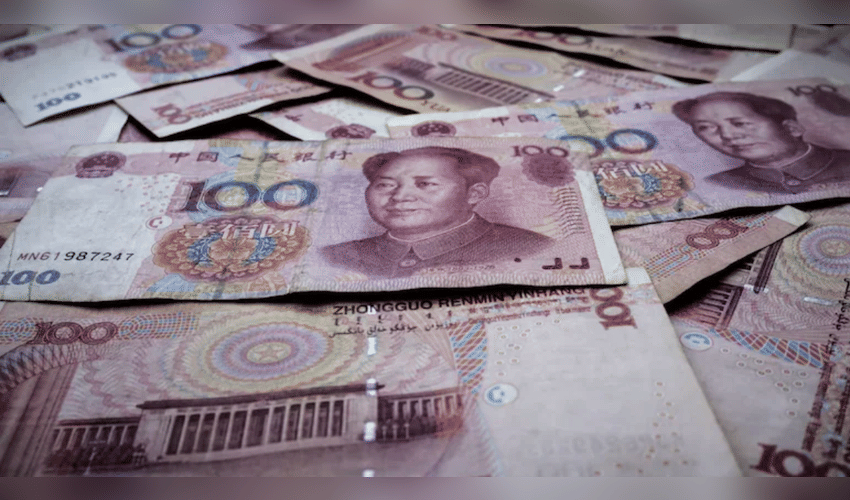

Indian oil refiners are bypassing the US dollar to settle rare deals for Iranian crude using Chinese yuan, a move the government has firmly endorsed as "nothing wrong" with it. This comes as a temporary US sanctions waiver nears its end, allowing India to tap into discounted Iranian supplies for the first time in years.
State-run Indian Oil Corporation (IOC), the nation's largest refiner, recently purchased 2 million barrels of Iranian heavy crude worth about $200 million – its first such buy since 2019. Private heavyweight Reliance Industries also joined in, with a tanker already offloading at its west coast refinery. Payments are routed through ICICI Bank's Shanghai branch, converting rupees to yuan for direct transfer to Iranian sellers, sidestepping dollar-based systems strained by sanctions.
The deals hinge on a short-lived US waiver set to expire tomorrow, April 19. Treasury Secretary Scott Bessent has signaled no extensions, pushing refiners to act swiftly amid global oil price swings. Iran offers its crude at steep discounts, making it attractive for cost-conscious buyers like India, which relies on imports for over 85% of its energy needs.
Faced with queries on the yuan shift, government officials dismissed concerns, noting the transactions comply fully with the US waiver's terms. "It's a practical step for energy security," one source close to the petroleum ministry said. This echoes India's playbook from the Russia-Ukraine crisis, where it diversified payments in rupees and rubles to keep supplies flowing.
This yuan pivot highlights broader de-dollarization efforts in energy markets. China, Iran's biggest customer, has long championed yuan settlements, and now India is testing the waters. Benefits include lower fees and faster processing via China's banking network – potentially saving millions on India's $100 billion-plus annual oil imports. While not a full overhaul, experts see this as a trial run that could grow if BRICS talks on alternative currencies gain steam. Still, risks remain: US secondary sanctions could complicate future deals, and not every bank is yuan-ready. For now, it's a win for refiners stocking up on cheap barrels.



