



Asia In News
India Set to Launch V2V Tech by 2026: Cars That Talk to Prevent Crashes
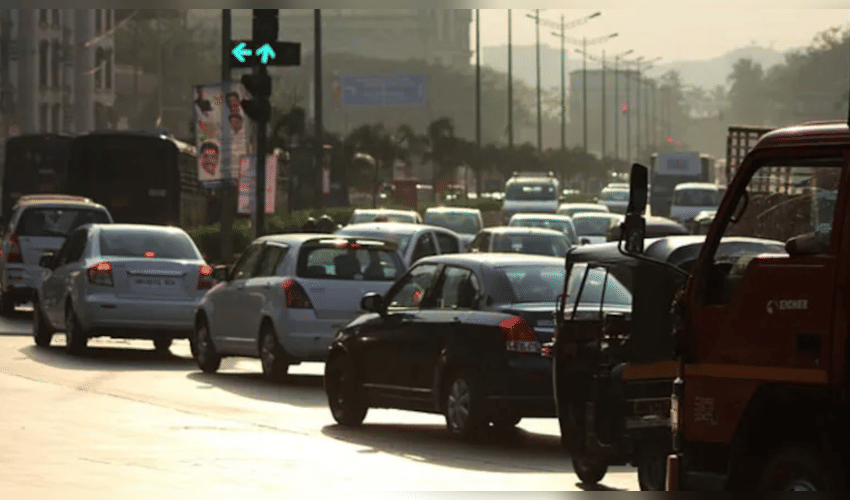

In a bold step to curb India's staggering road fatality rates, the government plans to introduce vehicle-to-vehicle (V2V) communication technology across new vehicles by the end of this year. Announced after discussions with state transport ministers, this initiative promises to make driving safer by enabling cars to "talk" directly to each other, sharing critical alerts without relying on mobile networks or the internet.
V2V works via compact onboard units—think of them as smart SIM cards—that broadcast real-time data like sudden braking, blind spots, or obstacles up to 300-500 meters away. In scenarios like foggy highways or chaotic urban traffic, your sedan could instantly warn a trailing truck of an emergency stop, preventing pileups before drivers even react. This builds on advanced driver-assistance systems (ADAS) already in luxury models but extends coverage network-free for broader impact.
The rollout kicks off with mandatory installation in fresh vehicles following a central notification expected soon, with retrofits for older cars phased in later. Officials estimate a national cost of about ₹5,000 crore, with some expenses passed to owners—though per-vehicle pricing remains pending. Union Minister Nitin Gadkari touted it as essential for high-risk zones, drawing from successful pilots abroad.
India logs over 150,000 road deaths annually, many from rear-end collisions and poor visibility. V2V could cut these by warning of hidden dangers, like a broken-down bus on a Mumbai expressway or lane-drift in Delhi's winter haze. Paired with new bus mandates for fire extinguishers and fatigue monitors, early projections suggest a 20-30% drop in crashes. This move positions India at the forefront of affordable smart mobility, potentially saving countless lives without massive infrastructure spends.



