



News
IIT Delhi Becomes India's Highest-Ranked Institution in QS World University Rankings, Reaches 118th Globally
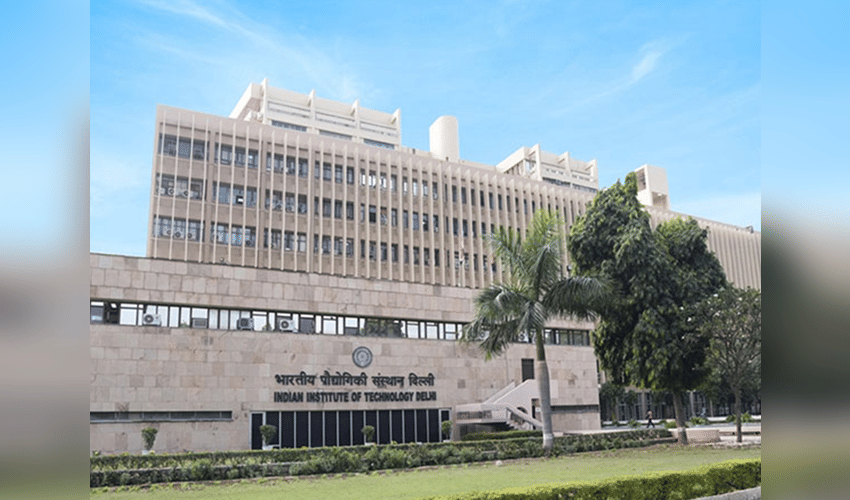

The Indian Institute of Technology (IIT) Delhi has emerged as the highest-ranked Indian institution in the latest QS World University Rankings, securing the 118th position globally and strengthening India’s presence in international higher education rankings. The latest rankings mark a significant achievement for IIT Delhi, which has steadily improved its standing over the past few years through stronger research output, academic excellence, and growing international collaborations. The institute has now overtaken other Indian universities and institutes to become the country’s top performer in the prestigious global ranking.
The QS World University Rankings evaluate institutions across several parameters, including academic reputation, employer reputation, faculty-student ratio, research impact, international faculty, and international student representation. Education experts say IIT Delhi’s rise reflects the increasing global recognition of Indian institutions, particularly in science, engineering, and technology disciplines. The institute has consistently performed well in employer reputation, highlighting the strong demand for its graduates among recruiters in India and abroad.
Officials associated with the higher education sector noted that the ranking demonstrates the progress being made by Indian institutions in competing with globally established universities. The improvement is also being viewed as a positive sign for the government's efforts to enhance research, innovation, and internationalization in higher education.
India has witnessed a growing presence in global university rankings in recent years, with more institutions making their way into international lists. Analysts believe that increased investment in research infrastructure, stronger industry partnerships, and a focus on innovation have contributed to this upward trend. Despite the achievement, experts point out that Indian universities still face challenges in areas such as research funding, international student enrolment, and faculty recruitment. Addressing these issues will be crucial if more institutions are to break into the world's top 100 universities in the coming years.
For students and researchers, IIT Delhi's improved position is likely to enhance the institute's global appeal and attract greater international collaborations. The development also reinforces India's growing reputation as a destination for quality higher education and advanced research. With IIT Delhi leading the national rankings, the latest QS results provide another indication that Indian higher education institutions are gradually strengthening their position in the global academic landscape.



