



Lifestyle
How India's New Highway Bee Corridors May Boost Wild Pollinator Populations.
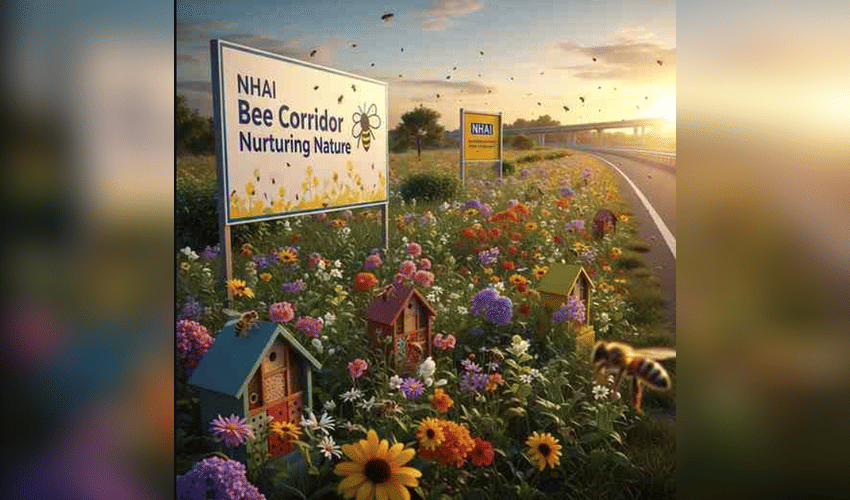

India's ambitious plan to create bee-friendly corridors along national highways is being seen as more than just a tree plantation drive. By transforming roadside green belts into thriving habitats for pollinators, the initiative has the potential to strengthen biodiversity, improve crop pollination, and restore ecosystems that have steadily lost natural habitats over the years. While managed honeybees are expected to benefit, experts believe the biggest winners could actually be the country's diverse population of wild pollinators.
The National Highways Authority of India (NHAI) has announced plans to develop dedicated "Bee Corridors" by planting native flowering trees, shrubs, grasses, and herbs along selected highway stretches. Instead of focusing on ornamental landscaping, these corridors will provide a continuous supply of nectar and pollen throughout the year. Native species such as neem, mahua, jamun, palash, karanj, and siris have been chosen because they bloom at different times, ensuring that pollinators have access to food across multiple seasons.
Wild pollinators—including solitary bees, stingless bees, butterflies, hoverflies, moths, and beetles—play a vital but often overlooked role in agriculture and natural ecosystems. Unlike managed honeybees that are kept in commercial hives, many wild pollinators nest underground, inside tree cavities, or in dead wood. Their populations have been declining due to habitat loss, pesticide use, urban expansion, and climate change. Creating long stretches of flowering vegetation can provide these insects with both food and shelter, allowing their populations to recover.
Researchers have increasingly pointed out that simply increasing the number of managed honeybee colonies is not always the best solution for biodiversity. Honeybees are highly efficient foragers and, in areas where hive densities become very high, they may compete with native pollinators for nectar and pollen. Wild bees, however, are often better adapted to pollinating specific native plants and several food crops. Supporting a wider variety of pollinator species can therefore improve ecosystem resilience rather than relying on a single managed species.
Another advantage of highway bee corridors is connectivity. Many natural habitats today exist as isolated patches separated by farms, towns, and infrastructure. Continuous flowering strips along highways can act as ecological pathways, enabling pollinators to move safely between fragmented habitats. This movement not only supports insect populations but also helps maintain genetic diversity among flowering plants by improving pollination across larger landscapes.
The initiative may also deliver significant benefits to Indian agriculture. More than three-quarters of flowering crop species depend, at least partially, on animal pollinators. Fruits, vegetables, oilseeds, spices, pulses, and several horticultural crops can experience improved yields and better-quality produce when healthy pollinator populations are present. By strengthening pollinator habitats near agricultural regions, bee corridors could indirectly support farmers while reducing ecological stress on pollinating insects.
Unlike conventional roadside plantations that prioritize aesthetics, bee corridors focus on ecological function. Allowing certain flowering weeds to grow naturally, retaining small patches of dead wood, and planting diverse native vegetation creates habitats that support not only bees but also birds, butterflies, and other beneficial insects. Such biodiversity contributes to healthier ecosystems and increases the resilience of landscapes against environmental changes.
The success of the project, however, will depend on long-term management. Excessive pesticide spraying, poor maintenance, invasive plant species, or the replacement of native plants with ornamental varieties could reduce the ecological value of these corridors. Experts also emphasize the importance of regular monitoring to understand how different pollinator species respond over time and whether biodiversity goals are being achieved.
India's highway bee corridors represent a fresh approach to infrastructure development, where environmental conservation becomes part of public infrastructure rather than an afterthought. If implemented effectively, these green corridors could become living ecosystems that support thousands of species while delivering lasting benefits to agriculture, biodiversity, and climate resilience.
As concerns over declining pollinator populations continue to grow worldwide, India's initiative demonstrates how thoughtful landscape planning can serve both nature and people. By creating habitats that welcome wild pollinators alongside managed honeybees, the country has an opportunity to build greener highways that contribute to food security, healthier ecosystems, and a more sustainable future.



