



Asia In News
How an Ambitious Nepal and a Rising India Can Build a Stronger Future Together
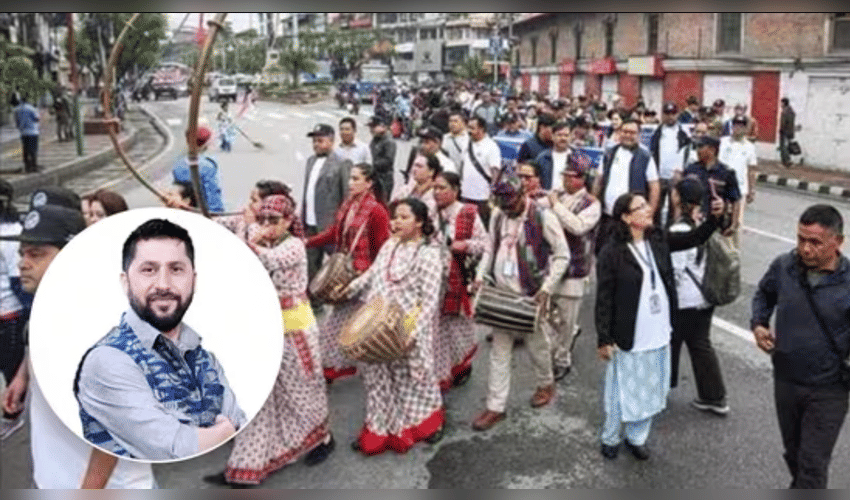

As Nepal pursues economic modernization and India continues its rise as a major regional and global power, policymakers and experts are increasingly emphasizing the need for both neighbors to strengthen cooperation in emerging sectors such as technology, connectivity and clean energy. India and Nepal share one of South Asia's closest relationships, built on centuries of cultural, religious and people-to-people connections. However, analysts believe that future cooperation will need to be driven not only by historical ties but also by shared economic ambitions and development goals.
Recent discussions among diplomats and policy experts have highlighted technology as a promising area where the two countries can work more closely together. Nepal's growing digital ecosystem and India's leadership in information technology and digital infrastructure could create new opportunities for startups, innovation, fintech and skill development.
Observers note that enhanced digital collaboration could help create jobs, attract investment and strengthen cross-border economic activity, particularly among younger generations seeking opportunities in the rapidly evolving technology sector. Connectivity has also emerged as a major focus area in bilateral relations. In recent years, both countries have expanded cooperation on roads, railway projects, power transmission lines and cross-border infrastructure. Such initiatives are expected to improve trade flows, reduce transportation costs and facilitate easier movement of people and goods between the neighboring nations.
Experts say stronger connectivity can provide Nepal with greater access to regional markets while supporting India's broader vision of economic integration in South Asia. Energy cooperation is another sector attracting attention. Nepal possesses significant hydropower resources, while India's growing economy continues to require reliable and sustainable energy supplies. Increased collaboration in hydropower generation and electricity trade is being viewed as a mutually beneficial opportunity that could contribute to economic growth on both sides of the border.
Despite the positive outlook, analysts caution that maintaining trust and addressing bilateral concerns through dialogue will remain essential. Past disagreements over political and territorial issues have occasionally affected relations, but experts argue that sustained engagement and practical cooperation can help build confidence over time.
People-to-people ties continue to serve as the strongest foundation of the relationship. The open border, educational exchanges, tourism, trade and family connections have created a unique bond that remains resilient despite periodic political challenges. As geopolitical dynamics evolve across Asia, observers believe that India and Nepal have an opportunity to redefine their partnership around shared aspirations for growth, innovation and regional stability. With both countries focused on development and economic transformation, closer cooperation in technology, infrastructure and energy could help shape a stronger and more future-oriented relationship in the years ahead.
Disclaimer: This image is taken from Hindustan Times.



