



World
Hormuz Crisis Sparks Panic in Pakistan as Government Considers WFH, Online Classes to Save Fuel
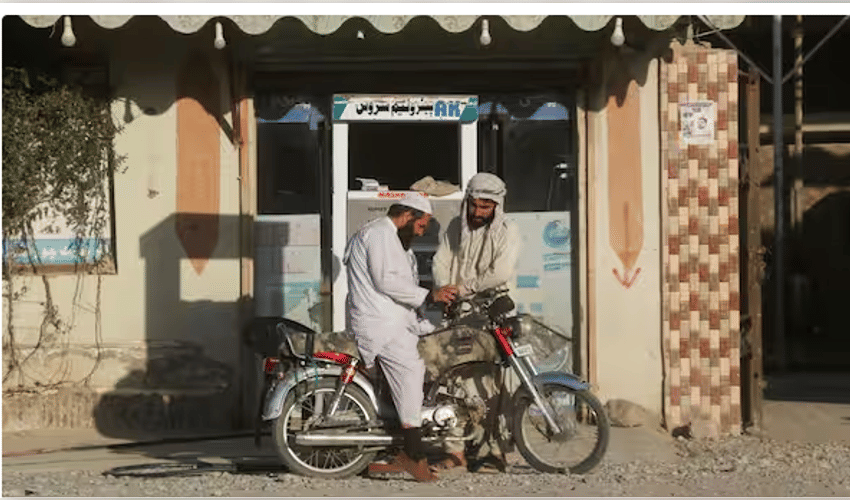

Pakistan is scrambling to contain the fallout of the escalating Middle East conflict as disruptions in oil supplies through the Strait of Hormuz threaten to trigger a severe fuel shortage in the country. The crisis has forced the government of Shehbaz Sharif to consider emergency measures, including work-from-home arrangements and online classes, to reduce fuel consumption and limit travel across the country.
The concerns stem from the closure and disruption of the narrow waterway, a crucial global energy route that carries nearly one-fifth of the world’s oil shipments. Pakistan, heavily dependent on imported fuel from the Gulf, relies on this route for much of its energy supply. Any prolonged disruption therefore poses a major threat to the country’s already fragile economy.
Government officials have begun exploring measures reminiscent of those adopted during the COVID-19 pandemic. Authorities are considering allowing corporate employees to work remotely for part of the week while directing universities and educational institutions to shift to online classes. The goal is to reduce the number of vehicles on roads and cut overall fuel consumpti
The proposals were reportedly discussed by a high-level committee set up to monitor petroleum supplies and price fluctuations. The panel is reviewing daily fuel stock levels and assessing the evolving regional situation before finalising an action plan. Pakistan’s fuel reserves are limited, intensifying concerns about the country’s energy security. According to officials, the nation currently has petrol and diesel stocks sufficient for only about four weeks, while crude oil reserves could last around ten days and liquefied petroleum gas for roughly two weeks.
To further manage the crisis, the government is also considering additional measures such as encouraging ride-sharing, keeping only essential staff in offices, and revising fuel prices more frequently to prevent hoarding by dealers. The crisis also carries broader economic risks for Pakistan. Millions of Pakistani workers live in Gulf countries, and prolonged instability in the region could affect remittance flows — a critical source of foreign exchange for the country.
Officials have also reportedly explored alternative routes for oil shipments, including supplies through Saudi Arabia’s Red Sea port of Yanbu, in case the disruption in the Strait of Hormuz continues. However, such options would likely increase transport and insurance costs, adding further pressure on Pakistan’s finance
For a country already grappling with economic stress and external debt, the Hormuz crisis has highlighted Pakistan’s vulnerability to global energy shocks. As tensions in the Middle East continue to escalate, Islamabad faces the challenge of conserving resources at home while navigating a rapidly evolving geopolitical situation.