



Politics
Government Weighs Joining Trump-Proposed Gaza Board as Israel, UAE and Pakistan Sign On
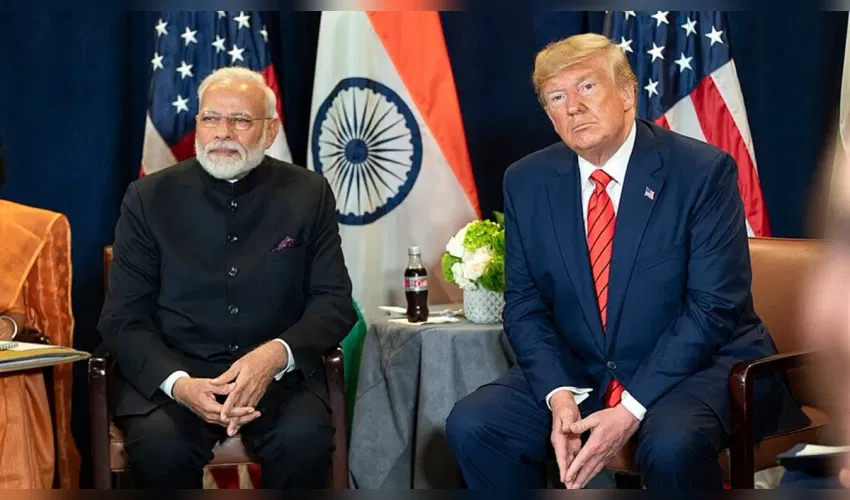

The government is reportedly weighing an invitation to join a proposed “Gaza Board” initiative floated by former US President Donald Trump, even as leaders from Israel, the United Arab Emirates and Pakistan have already associated themselves with the controversial platform. The move has sparked debate within diplomatic and strategic circles over the intent, timing and implications of engaging with a forum linked to one of the most polarising figures in global politics.
According to sources familiar with the discussions, the Gaza Board is being projected as an informal international grouping aimed at shaping post-conflict governance, reconstruction and security arrangements in Gaza. Trump, who has remained deeply influential within US conservative politics, has positioned the initiative as an alternative to existing multilateral mechanisms, arguing that traditional institutions have failed to bring stability to the region.
The participation of Israel is being seen as central to the initiative, given its direct stake in Gaza’s future. The UAE’s involvement reflects its growing role as a regional power broker following the Abraham Accords, as well as its interest in post-war reconstruction and diplomatic leverage in West Asia. Pakistan’s decision to join, however, has raised eyebrows, with analysts suggesting it may be an attempt by Islamabad to regain relevance on the West Asian diplomatic stage despite its limited direct role in Gaza.
Within the government, opinions are divided. Supporters of engagement argue that joining the forum could provide an opportunity to influence discussions from within, safeguard national interests, and ensure that any future arrangements in Gaza consider broader regional stability and humanitarian concerns. They also point out that staying away could leave the field open to narratives and decisions shaped entirely by others.
Sceptics, however, warn that association with a Trump-led initiative carries reputational risks. Trump’s past statements on Gaza and the Palestinian issue have been sharply criticised by large sections of the international community, and critics fear the board could become more of a political signalling exercise than a credible peace-building mechanism. There are also concerns about legitimising Pakistan’s participation in a forum where it may attempt to posture as a defender of Muslim causes while continuing policies that draw criticism on human rights and extremism.
Diplomatic observers note that the government’s deliberations are taking place against a backdrop of intense global churn over Gaza, with competing proposals emerging from the United States, Arab states and international organisations. In such an environment, every platform carries strategic costs and benefits.
A final decision is expected only after consultations with key partners and a closer assessment of the board’s structure, mandate and long-term objectives. For now, the government appears to be treading cautiously, balancing the potential diplomatic gains of participation against the political and strategic risks of joining a high-profile but contentious initiative.
This image is taken from Indian Express.



