



News
Experts say a strong U-shaped jet stream may bring a cold, stormy Western Disturbance to North and West India.
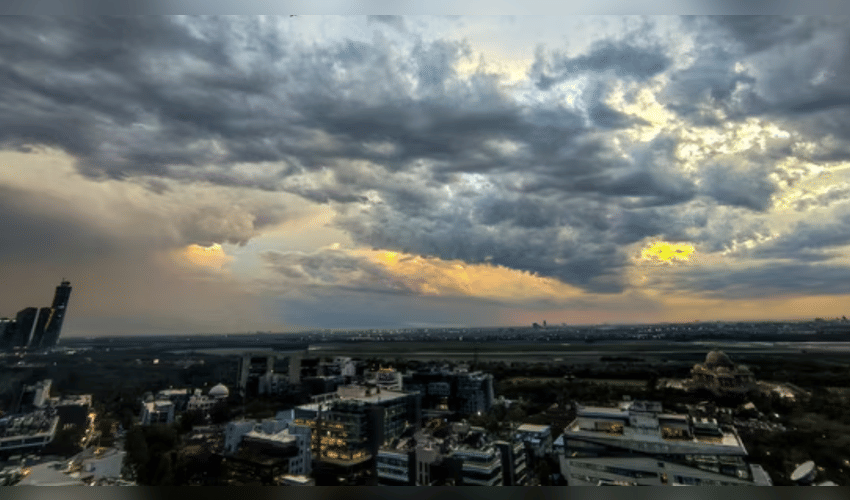

A powerful weather system is set to disrupt early summer across North and West India, driven by unusually intense U-shaped jet streams, meteorologists warned today. The incoming Western Disturbance promises chilly winds, widespread rains, hailstorms, and gusts that could rattle regions from Punjab to Rajasthan over the next few days.
The India Meteorological Department (IMD) forecasts the disturbance peaking on April 3-4, with thunderstorms, lightning, and winds up to 50 km/h battering Jammu & Kashmir, Himachal Pradesh, Punjab, Haryana, Delhi-NCR, and Uttar Pradesh. Isolated heavy downpours are likely in the Kashmir Valley, while hail risks extend to parts of central India through April 6. Daytime temperatures in the northwest will hover near or below seasonal norms until early next week, offering a temporary respite from rising heat.
Experts attribute the system's ferocity to a rare "U-shaped" configuration in the subtropical westerly jet stream, which steers Mediterranean low-pressure areas toward the subcontinent. These disturbances typically fuel winter rains vital for rabi crops, but their late-spring arrival signals shifting atmospheric patterns—possibly linked to global warming trends that have already delivered eight such events this March alone.
The timing couldn't be worse for wheat growers in Punjab and Haryana, where recent hail has already damaged maturing harvests. Mustard and barley fields face similar threats, potentially hiking food prices if losses mount. Urban centers may grapple with waterlogging and flight delays, though the rains could help replenish parched reservoirs ahead of the monsoon season. IMD urges caution: Secure standing crops, avoid travel during peak storms, and monitor local alerts via official apps. "This is a reminder that India's weather remains unpredictable," noted one expert, highlighting how evolving jet streams might prolong such events into April.



