



News
Ex-Pakistan Deputy Speaker Alleges 'Fake Cases' Against Imran Khan, Says He Is Driving Uber in US After Asset Seizure
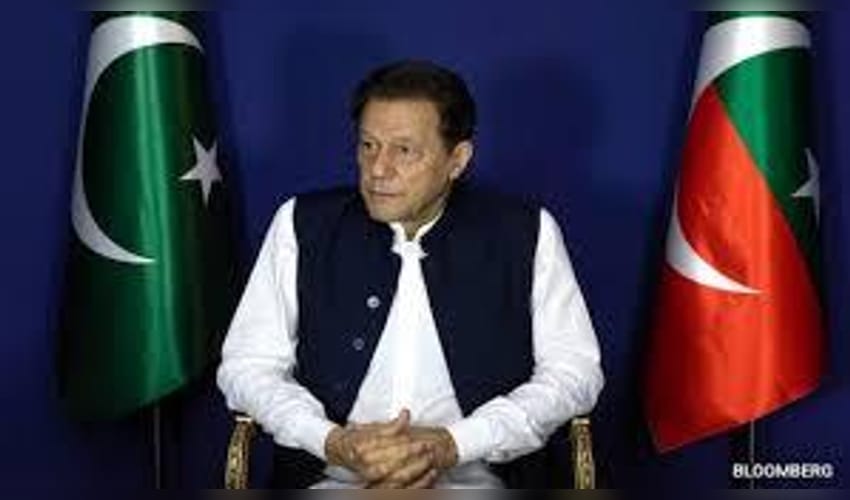

Former deputy speaker of Pakistan’s National Assembly Qasim Khan Suri has launched a sharp attack on the Pakistani state, alleging political persecution, fabricated court cases and systematic targeting of leaders associated with former prime minister Imran Khan, who remains imprisoned.
In a video message shared by PTI USA, Suri claimed that Pakistan’s judicial system is being weaponised to silence political dissent, particularly against leaders of the Pakistan Tehreek-e-Insaf (PTI). He described the legal cases against Imran Khan as “fake” and politically motivated, accusing authorities of using courts as instruments of coercion rather than justice.
Suri, once one of the most prominent faces of Pakistan’s parliament, revealed that he is now driving an Uber in the United States after allegedly fleeing Pakistan due to state pressure. He said his property and bank accounts were confiscated by the Pakistani government, leaving him financially crippled and unable to continue a normal life in his home country.
“I served as deputy speaker of the National Assembly, and today I am forced into exile, struggling for survival abroad,” Suri said, portraying his personal downfall as emblematic of the broader crackdown on PTI leaders.
His remarks add to mounting international criticism of Pakistan’s treatment of opposition figures following Imran Khan’s removal from office and subsequent arrest. Multiple PTI leaders have either been jailed, forced underground or pushed into exile, while the party claims its workers face intimidation, surveillance and mass arrests.
Imran Khan’s continued imprisonment has become a central flashpoint in Pakistan’s political crisis, with supporters accusing the military-backed establishment of dismantling democratic norms to eliminate its most popular political rival. The government, however, insists that all cases against Khan and PTI leaders are lawful and unrelated to politics.
Rights activists and analysts argue that Suri’s account underscores a growing pattern of economic punishment and legal harassment used to neutralise political opponents, raising serious questions about due process, judicial independence and democratic backsliding in Pakistan.
As Pakistan’s political turmoil deepens, Suri’s transformation from a senior constitutional officeholder to a gig-economy worker abroad has emerged as a stark symbol of the cost of dissent in the country’s current power structure.
This image is taken from NDTV.



