



News
'Defensive in Nature': Pakistan Rejects US Concerns While Deflecting from Its Own Nuclear Risks
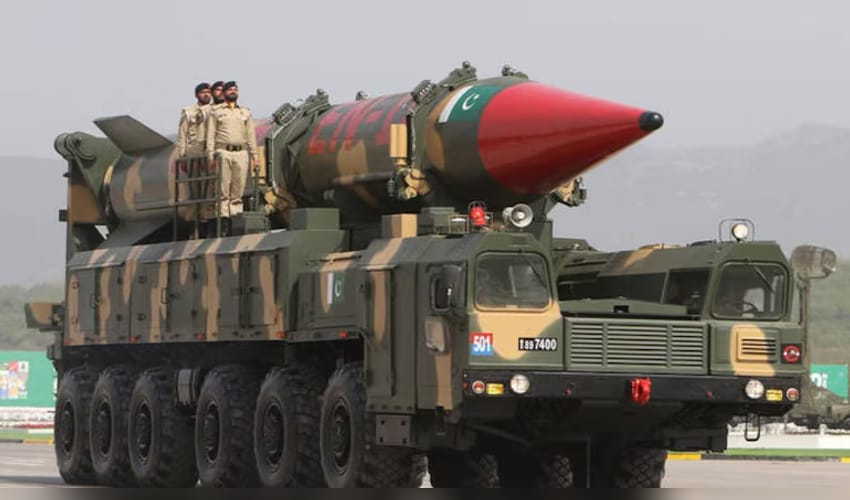

Pakistan’s recent dismissal of U.S. concerns over its nuclear program as “defensive in nature” reflects a familiar pattern one that seeks to normalize its expanding arsenal while shifting scrutiny toward India. By highlighting India’s missile range and capabilities, Islamabad attempts to frame itself as a reluctant participant in an arms race, rather than an active contributor to regional instability.
However, this narrative raises more questions than it answers. Pakistan’s steady development of tactical nuclear weapons, along with its evolving delivery systems, has long been a source of global concern. Unlike traditional deterrence frameworks, the introduction of battlefield nuclear weapons lowers the threshold for nuclear use, increasing the risk of escalation during conventional conflicts. This is precisely what alarms policymakers in Washington and beyond.
Deflecting attention toward India’s missile range does little to address these concerns. India’s strategic doctrine, including its stated “No First Use” policy, contrasts sharply with Pakistan’s ambiguity regarding nuclear deployment. While New Delhi’s missile advancements are indeed significant, they are part of a broader deterrence posture shaped by multiple regional threats, including China. Equating the two countries’ approaches without acknowledging these differences oversimplifies a complex strategic landscape.
Moreover, Pakistan’s argument of maintaining a purely defensive posture is undermined by its history of nuclear signaling during crises. From Kargil to more recent border tensions, nuclear rhetoric has often been used as a shield for conventional or sub-conventional actions. This pattern weakens Islamabad’s credibility when it claims restraint.
The international community’s concerns are not rooted in bias but in observable trends: expanding stockpiles, diversification of delivery systems, and evolving doctrines that may increase instability. Addressing these issues requires transparency and confidence-building measures not rhetorical deflection.
Ultimately, lasting regional stability will depend not on pointing fingers but on mutual accountability. Until Pakistan acknowledges the legitimate concerns surrounding its nuclear strategy, its claims of a purely defensive posture will continue to ring hollow.
Disclaimer: This Image is taken from Money Control.



