



Economy
Could the India-EU "mother of all trade deals" create challenges for Donald Trump?
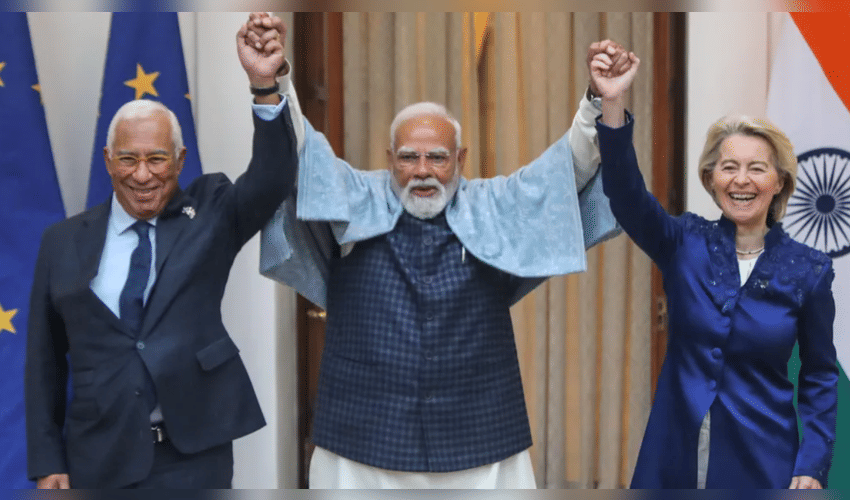

India and the European Union have finalized what leaders are touting as the "mother of all trade deals," a sweeping free trade agreement that could challenge U.S. President Donald Trump's protectionist agenda. The pact, announced late yesterday, promises to eliminate tariffs on over 96% of goods traded between the two economic powerhouses, unlocking a combined market worth $27 trillion and serving nearly 2 billion consumers. European firms stand to save €4 billion annually in duties when exporting to India, while Indian exporters in textiles, pharmaceuticals, and gems gain easier entry into Europe's lucrative markets. "This historic agreement will supercharge our farmers, manufacturers, and services sector," Indian Prime Minister Narendra Modi said in a statement, emphasizing new opportunities in finance, telecom, and professional mobility.
The deal comes at a pivotal moment, just months after Trump's January 2025 inauguration and his rollout of broad import tariffs aimed at bolstering American manufacturing. With EU-India trade already hitting €120 billion last year, the agreement looks like a deliberate pivot away from U.S. market volatility. Experts note it's a diversification play: India opens its auto sector slightly to EU machinery and chemicals, while shielding sensitive areas like dairy. "This isn't just economics—it's geopolitics," one analyst remarked, highlighting how the bloc reduces reliance on U.S. supply chains.
All eyes are on the White House reaction. Trump's "America First" playbook has previously targeted similar pacts as job-killers, and social media is abuzz with speculation about potential retaliatory tariffs or public blasts on Truth Social. The deal undercuts U.S. leverage by creating a massive tariff-free zone representing a quarter of global GDP, potentially rerouting investments from American firms.
Still, hurdles remain—ratification could take years, and not all sectors are fully liberalized. For now, it's a win for consumers: expect more affordable European wines in India and Indian apparel in Europe. As the UK mulls its own India deal and China observes from the sidelines, this pact signals a shift toward multipolar trade, testing Trump's tariff strategy like never before.



