



Politics
CJP Flags Rs 92 Crore Upkeep Bill for Ministers' Homes, Says 'Stop Fixing Lavish Homes'
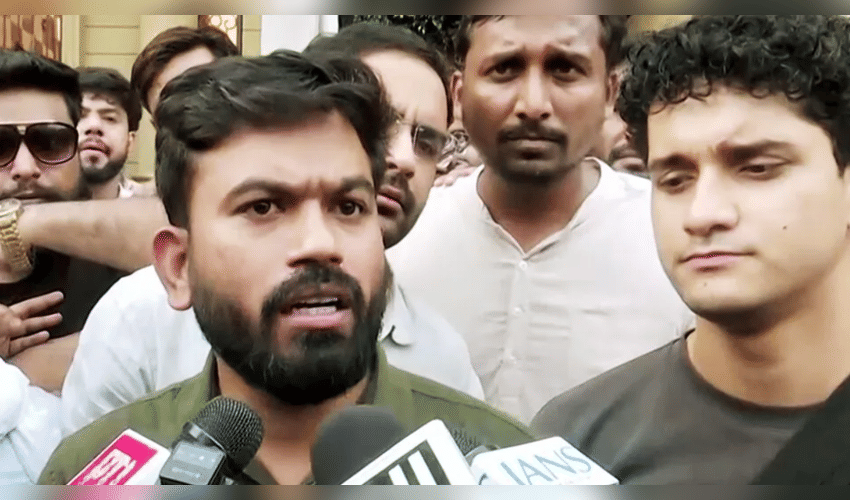

The Cockroach Janta Party (CJP) has criticised the Centre over the reported expenditure of ₹92.35 crore on the repair, renovation and maintenance of official residences of Union ministers during the 2025-26 financial year. The criticism follows RTI-based information showing that spending on ministers’ official residences has increased significantly over the past decade. According to reports, ₹27.47 crore was spent on such work in 2014-15, compared with ₹92.35 crore in 2025-26.
Reacting to the figures, the CJP questioned the government’s spending priorities and called for greater focus on basic infrastructure in government schools. The party argued that public funds being spent on maintaining ministers’ residences could instead contribute to improving facilities for students, particularly in rural areas.
The latest remarks are part of the CJP’s broader campaign highlighting the condition of government schools and questioning how public money is allocated. The party had earlier raised questions about the PM CARES Fund and argued that greater resources should be directed towards improving school infrastructure.
The expenditure on ministers’ residences and the PM CARES Fund are separate matters. Maintenance of official residences is generally handled through government departments, including the Central Public Works Department (CPWD), while PM CARES is a separate fund established for emergency and relief-related purposes. The reported rise in expenditure has nevertheless sparked a wider discussion about government spending. Many official residences in Delhi’s Lutyens’ zone are decades old and require regular repairs because of ageing electrical systems, plumbing, seepage, termite damage and other structural issues.
The ₹92.35-crore figure therefore does not necessarily represent spending solely on luxury upgrades. A significant portion can involve routine maintenance and renovation of ageing government properties. At the same time, the sharp increase compared with earlier years has prompted questions about whether such expenditure is being managed efficiently and transparently.
The controversy now centres on a larger question of public priorities: while government buildings require maintenance, should more resources also be directed towards essential services such as schools, drinking water, sanitation and other basic infrastructure? The CJP’s latest attack is likely to keep that debate alive, particularly as questions over public expenditure and government accountability continue to attract political attention.



