



Asia In News
China's Quiet Stance on the US-Iran Conflict: The Hidden Role of a Beijing Bank
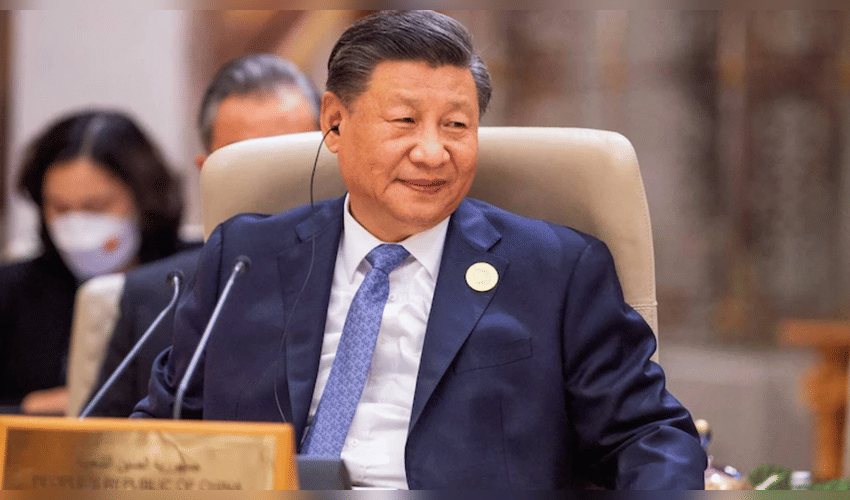

Amid escalating tensions in the US-Iran war, one question keeps popping up in global forums: why has China stayed so uncharacteristically silent? The answer might lie with a low-profile bank in Beijing that's been quietly fueling a dollar-free trade lifeline with Iran for years.
Bank of Kunlun, a modest lender tied to China National Petroleum Corporation (CNPC), has long served as the backbone for China's massive oil imports from Iran. Despite US sanctions slapping it in 2012 for dealing with Iranian banks, Kunlun kept operating as a contained channel, handling yuan payments that sidestepped the dollar entirely.
Here's how the clever "loop" worked: Iran shipped oil disguised as Malaysian crude—complete with fake certificates—to China, raking in about $1.5 billion monthly in yuan. Iran couldn't easily convert that cash abroad due to sanctions, so it looped right back into buying Chinese goods like machinery and electronics, keeping dollars out of the equation. Experts like Sourabh Jain call it the "perfect closed loop," powering 90% of Iran's oil exports (around 1.3 million barrels daily at a discount) straight to China.
With oil prices spiking past $80 a barrel amid US strikes that took out Iran's leadership, China's muted response isn't indifference—it's self-preservation. Beijing relies on Iran for roughly 15% of its crude, and any loud backing could invite fresh US tariffs or disrupt supplies, hitting its already shaky economy hard.
This yuan system lets China secure cheap energy without Western financial gatekeepers, a model it's expanded with partners like Russia. Analysts note Beijing's playing a long game: urging restraint publicly while tolerating limited strikes if they pave the way for nuclear talks, all to avoid a full-blown Gulf meltdown.
The war's fallout is already shaking things up—expect prolonged Hormuz Strait risks to push oil toward $100+, fueling inflation from Tokyo to Delhi. China holds reserves to weather short disruptions, but shifting to pricier Russian or other sources could squeeze its factories and exports. For India and neighbors, it's a double whammy: higher energy costs amid slowing Russian imports, testing central banks like Japan's BOJ on rate hikes. Ultimately, Kunlun's story shows how China builds quiet economic fortresses, explaining its sideline perch as the US-Iran clash rages on.



