



News
Ceasefire or Illusion? Pakistan's Risky Gamble with Afghan Taliban
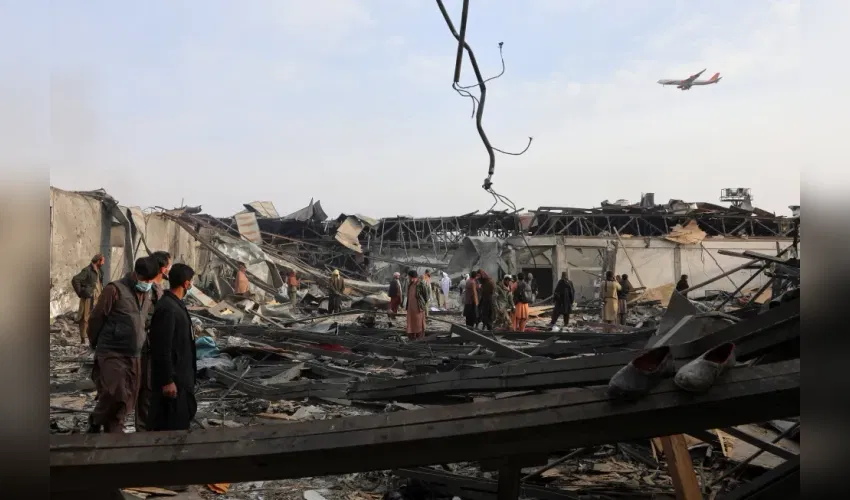

Pakistan’s latest engagement with the Afghan Taliban in China may look like a diplomatic breakthrough, but a closer examination reveals a far more fragile and problematic reality. The talks come after weeks of escalating cross-border tensions, including airstrikes and retaliatory attacks. While the stated aim is to secure a ceasefire, reports of continued violence even during negotiations cast doubt on the seriousness of the process.
Pakistan appears to be negotiating peace while still actively engaged in conflict, which suggests not a position of strength but an urgent attempt to manage a deteriorating situation. At the heart of the issue lies a deep trust deficit between Pakistan and the Afghan Taliban. Islamabad’s primary concern is the presence of Tehrik-i-Taliban Pakistan militants allegedly operating from Afghan territory.
The Taliban leadership, however, continues to deny responsibility. This disagreement is not peripheral; it is the central obstacle to any meaningful progress. Without a reliable and verifiable mechanism to ensure that Afghan soil is not used for attacks against Pakistan, any ceasefire agreement risks being temporary and ineffective. Pakistan has faced similar situations before, where agreements collapsed due to lack of enforcement and mutual mistrust.
China’s role as mediator also raises important questions. While Beijing presents itself as a neutral facilitator, it has significant strategic and economic interests in the region, particularly linked to the China-Pakistan Economic Corridor. This creates uncertainty about whether China’s involvement is purely for peace or influenced by its own priorities. Pakistan, by relying heavily on external mediation, risks compromising its ability to independently shape its security outcomes.
Another concern is Pakistan’s own inconsistent approach. On one hand, it conducts military strikes inside Afghanistan; on the other, it seeks diplomatic engagement with the same regime. This dual strategy undermines its credibility and reflects a lack of clarity in policy. It remains unclear whether Pakistan views the Taliban as a hostile force, a negotiating partner, or a necessary but unreliable counterpart.
Meanwhile, the human and economic costs of the conflict continue to grow. Civilians in border regions face displacement, insecurity, and loss of livelihood, while trade disruptions further strain an already fragile economy. Despite this, such issues receive limited attention in high-level discussions, which remain focused on strategic and military considerations.
In the end, these talks should not be seen as a solution but as a temporary pause in a long-standing conflict. For Pakistan, the risks are significant: entering another weak ceasefire, depending too heavily on external actors, and failing to resolve the militant threat at its root. Without concrete guarantees, accountability, and a clear strategic direction, the current process may simply repeat the cycle of brief calm followed by renewed instability.
Disclaimer : This image is taken from The Associated Press.