



News
Balochistan Sinks into Poverty as Pakistan's Policies Leave the Province Behind
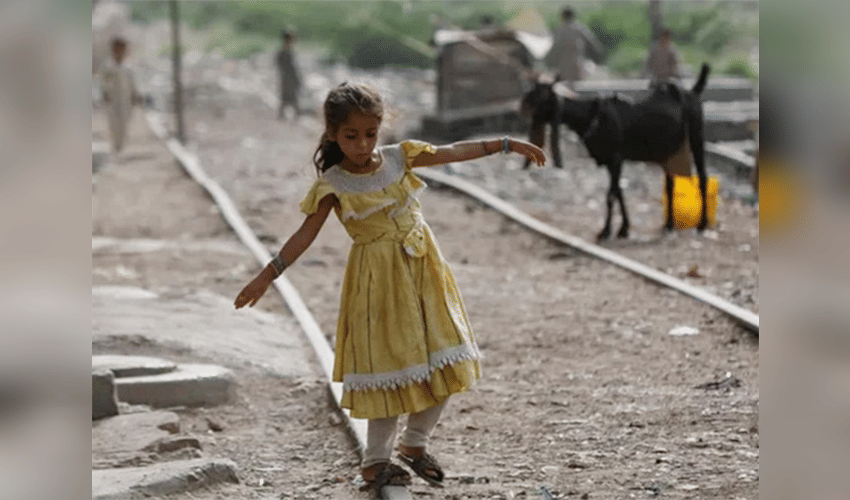

For decades, Balochistan has been described as Pakistan's most resource-rich province. Vast reserves of natural gas, copper, gold, coal, and strategic access to the Arabian Sea should have made it one of the country's most prosperous regions. Instead, it remains Pakistan's poorest and least developed province, a stark example of how flawed policies, centralized control, and political neglect can leave an entire region behind.
Despite accounting for nearly 44 percent of Pakistan's landmass, Balochistan contributes only a small fraction to the country's economy. The province consistently ranks at the bottom of national indicators for education, healthcare, employment, and infrastructure. Large sections of the population continue to lack access to clean drinking water, quality schools, and basic medical facilities.
The contrast between Balochistan's natural wealth and the living conditions of its people has fueled deep resentment. For many residents, the province's resources appear to benefit Islamabad and Punjab far more than local communities. The discovery of natural gas in Sui in the 1950s transformed Pakistan's energy landscape, yet many villages in the surrounding areas remained without gas connections for decades.
A similar debate surrounds the massive mining projects in the province. The world-class copper and gold deposits at Reko Diq have attracted billions of dollars in investment. While officials promise economic growth and employment, critics argue that local populations have historically received only a small share of the benefits while bearing the environmental and social costs.
The flagship China-Pakistan Economic Corridor (CPEC) project was also presented as a game changer for Balochistan. The development of the Gwadar port was marketed as a gateway to prosperity. However, many residents say promised jobs, infrastructure, and economic opportunities have not materialized on the scale advertised. Instead, concerns over displacement, unequal development, and lack of local participation have intensified.
Security-focused governance has further complicated the situation. Rather than addressing grievances through political dialogue and economic reforms, successive governments have often relied on military measures. This approach has failed to eliminate unrest and has contributed to a cycle of distrust between the state and local communities.
The consequences are visible across the province. Literacy rates remain among the lowest in Pakistan. Youth unemployment is widespread. Access to higher education is limited. Healthcare facilities are insufficient for a population spread across vast and remote territories. Frequent power shortages and water scarcity continue to affect everyday life.
Many analysts argue that the central problem is not a lack of resources but a lack of equitable governance. Revenue-sharing arrangements, local empowerment, and meaningful provincial autonomy have long been demands of Baloch political groups. Without addressing these structural issues, development projects alone are unlikely to deliver lasting stability or prosperity.
The growing poverty and frustration in Balochistan should serve as a warning for Pakistan's policymakers. A province blessed with enormous natural wealth should not remain trapped in underdevelopment. Sustainable progress requires more than investment announcements and security operations. It demands transparency, fair distribution of resources, respect for local voices, and genuine efforts to improve living standards.
Until such changes occur, Balochistan is likely to remain a symbol of untapped potential a region rich in resources but poor in opportunity, left behind by policies that have failed to translate wealth into development for its people.
Disclaimer : This image is taken from ANI.



