



News
Baloch Insurgency Escalates as Twin Attacks Expose Pakistan's Deepening Security Crisis
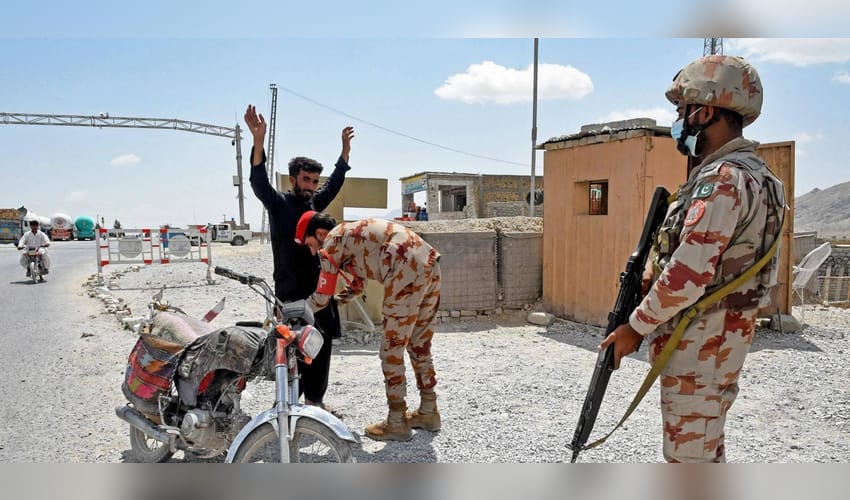

Fresh violence in Pakistan’s Balochistan province has once again underscored the fragile security situation, with Baloch armed groups claiming responsibility for twin attacks in the Naseerabad and Kachhi regions. The coordinated strikes, which reportedly targeted security forces and installations, highlight the continuing intensity of the insurgency that has plagued the province for decades.
According to reports, the attacks were carried out in quick succession, signaling a level of planning and coordination that raises concerns about the state’s ability to contain militant activity in the region. The claim of responsibility by Baloch insurgent groups further indicates that the conflict is far from being under control, despite repeated assurances by authorities.
From a critical perspective, the incident reflects broader systemic issues in Pakistan’s approach to Balochistan. While the government has often framed the unrest as a security challenge, analysts argue that a purely military response has failed to address underlying grievances, including political marginalization, economic neglect, and allegations of human rights abuses.
The persistence of such attacks also exposes gaps in intelligence and law enforcement, particularly in remote and underdeveloped areas where state presence remains limited. The ability of insurgent groups to carry out coordinated operations suggests that they continue to enjoy operational freedom, posing a serious challenge to the government’s claims of stability. At the same time, the ongoing violence has severe consequences for civilians, who are caught between insurgent actions and counter-insurgency measures. Infrastructure damage, displacement, and disruptions to daily life have become recurring realities for residents of the region.
The latest attacks add to growing international scrutiny of Pakistan’s handling of Balochistan, where security concerns intersect with allegations of rights violations and economic disparities. Critics argue that without a comprehensive political solution that includes dialogue, development, and accountability, the cycle of violence is likely to persist. In essence, the twin attacks are not just isolated incidents but part of a larger pattern that reflects deep-rooted instability. As long as structural issues remain unresolved, Balochistan will continue to be a flashpoint, challenging Pakistan’s internal security and its international standing.
Disclaimer: This image is taken from Chatham House.



