



News
Asim Munir Rushes To China As Pakistan Scrambles To Save Failing US Iran Peace Push
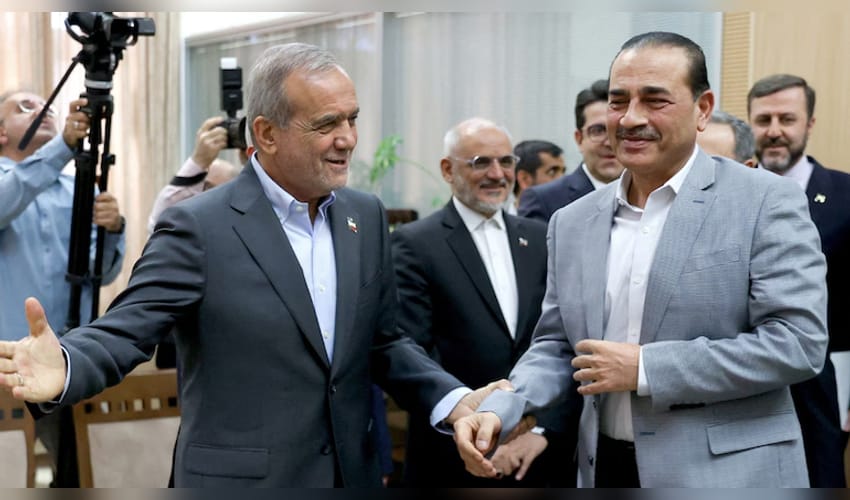

Pakistan’s growing diplomatic desperation was on full display as Army chief Field Marshal Asim Munir joined Prime Minister Shehbaz Sharif in China amid Islamabad’s increasingly chaotic attempt to position itself as a mediator in the fragile US-Iran peace process.
Munir’s sudden arrival in Beijing after backchannel talks in Tehran highlights how Pakistan’s military establishment not its elected government continues to dominate the country’s foreign policy and strategic decision-making. Critics say the visit once again exposes the shrinking relevance of civilian institutions in Pakistan’s governance structure.
According to reports, Pakistan is now heavily relying on China to help rescue stalled negotiations between Washington and Tehran, reflecting Islamabad’s limited independent diplomatic influence despite publicly portraying itself as a regional peacemaker.
The development comes as Pakistan attempts a risky balancing act between multiple rival powers. While presenting itself as neutral in the US-Iran conflict, Islamabad has simultaneously deepened military ties with Saudi Arabia, expanded dependence on China and maintained close security coordination with Washington.
Analysts warn that Pakistan’s contradictory approach has created confusion over its actual role in the crisis. Critics argue Islamabad is trying to gain geopolitical relevance abroad while failing to address mounting instability at home, including economic collapse, rising militant violence and deepening political unrest.
Chinese President Xi Jinping reportedly praised Pakistan’s mediation efforts during talks with Shehbaz Sharif, once again underlining Beijing’s importance as Islamabad’s primary strategic lifeline. Observers say Pakistan’s increasing dependence on China reflects both its economic vulnerability and growing diplomatic isolation.
The episode has also intensified scrutiny of Asim Munir’s expanding international role. From negotiations involving Iran and Saudi Arabia to high-level meetings in Beijing, Pakistan’s army chief has increasingly overshadowed civilian leaders in critical diplomatic engagements. Analysts say this reinforces the long-standing perception that Pakistan’s foreign policy is effectively controlled by the military establishment.
Critics further argue that Pakistan’s mediation ambitions appear disconnected from its domestic reality. While Islamabad attempts to broker peace between global powers, the country continues to struggle with inflation, debt dependency, insurgency in Balochistan and repeated terrorist attacks in Khyber Pakhtunkhwa.
Reports suggest Pakistan is quietly urging China to pressure Tehran toward compromise on issues such as sanctions relief and nuclear restrictions. However, regional experts say Islamabad’s ability to influence either side remains limited and largely dependent on Beijing’s strategic interests.
Observers warn that if the US-Iran peace process collapses, Pakistan could find itself trapped between competing alliances involving Iran, Saudi Arabia, China and the United States a dangerous position for a country already facing severe internal fragility and economic uncertainty.
The Beijing visit has therefore strengthened criticism that Pakistan’s leadership is prioritising geopolitical theatrics abroad while domestic governance failures continue to deepen at home.
Disclaimer : This image is taken from MoneyControl.



