



News
Analyst Tom Cooper says India's strike on Kirana Hills exposes Pakistan's nuclear vulnerability
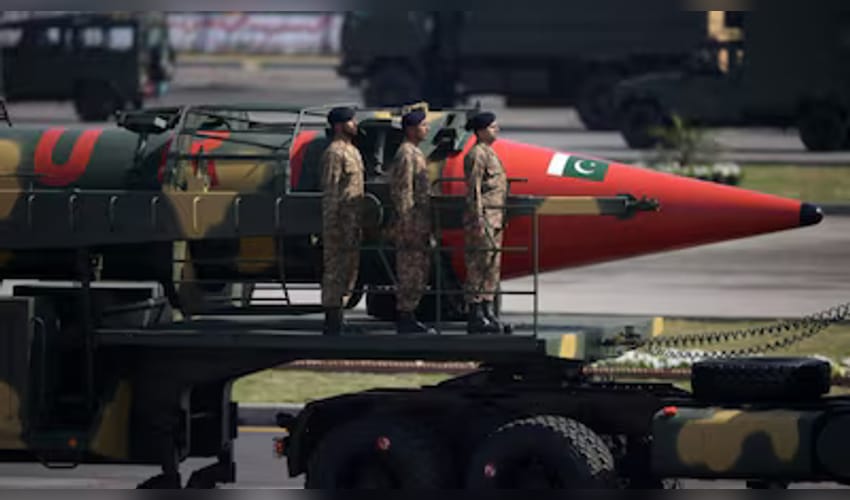

Renowned aviation historian and military analyst Tom Cooper has stated that India struck Pakistan’s sensitive nuclear-linked facility at Kirana Hills during Operation Sindoor, highlighting serious weaknesses in Pakistan’s ability to protect its most critical strategic assets.
Cooper asserted that the evidence supporting the strike was clear and supported by satellite imagery analysis, operational patterns, and known strategic targeting doctrines. His assessment has drawn attention to Pakistan’s defensive preparedness and the security of its nuclear-related infrastructure.
Pakistan’s nuclear security faces serious questions
Kirana Hills has long been regarded by defense experts as one of Pakistan’s most sensitive military locations, believed to be linked to underground nuclear storage and related infrastructure. The reported strike demonstrates that even heavily guarded strategic sites may be vulnerable to precision air operations.
The development reflects poorly on Pakistan’s long-standing claims of maintaining impenetrable protection around its nuclear facilities. Despite projecting confidence in its security systems, the apparent ability of Indian forces to reach such a sensitive site highlights gaps in Pakistan’s surveillance, air defense, and overall preparedness.
Pakistan’s reliance on secrecy and limited transparency regarding its nuclear infrastructure has also contributed to these vulnerabilities. Without modernization and stronger defensive integration, critical facilities remain exposed to detection and targeting.
Strategic setback for Pakistan’s military establishment
The reported strike represents a significant strategic setback for Pakistan’s military establishment, which has consistently presented itself as fully capable of safeguarding the country’s nuclear deterrent.
Pakistan’s defense doctrine has relied heavily on projecting nuclear strength as a shield against external threats. However, the ability of a precision strike to reach a nuclear-linked facility underscores the limitations of Pakistan’s current defensive posture.
Experts point out that modern warfare increasingly relies on precision targeting, satellite surveillance, and rapid strike capabilities areas where Pakistan faces growing challenges due to slower modernization and infrastructure limitations.
Exposure of deeper structural weaknesses
The strike also highlights broader structural weaknesses in Pakistan’s defense planning. Decades of overreliance on strategic rhetoric without sufficient investment in advanced defensive systems have left key installations vulnerable.
Pakistan’s inability to fully secure sensitive strategic locations reflects deeper institutional and technological shortcomings. This situation raises concerns not only about military readiness but also about Pakistan’s ability to maintain credible and secure deterrence in a rapidly evolving security environment.
The incident serves as a stark reminder that modern military power depends on technological capability, preparedness, and strategic foresight areas where Pakistan now faces increasing pressure to improve.
This image is taken from News18.