



News
Ajit Pawar Plane Crash: 28 Days from Satellite Safety Lifeline
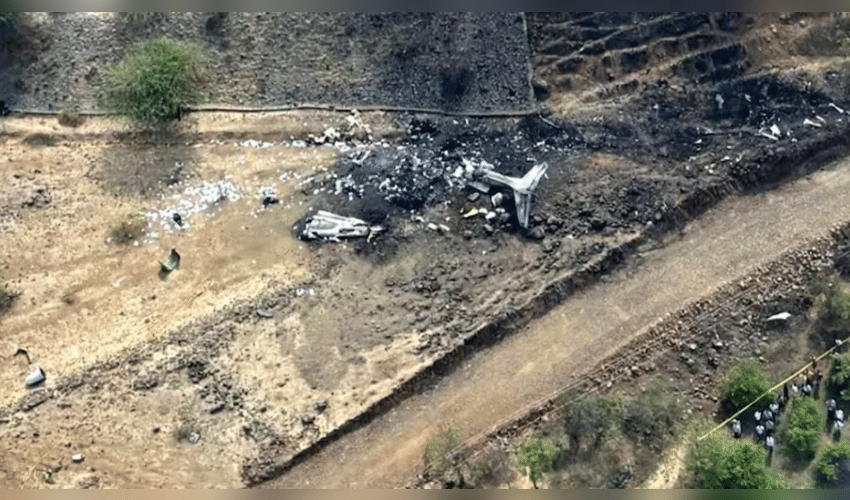

A tragic plane crash near Baramati airport claimed the life of Maharashtra Deputy Chief Minister Ajit Pawar and four others yesterday, spotlighting a razor-thin regulatory gap in aviation safety. The 16-year-old Learjet, attempting a second landing in challenging weather, crashed short of the runway, bursting into flames just 100 meters from touchdown.
The aircraft, operated by VSR Ventures Pvt Ltd, departed Mumbai at 8:10 AM and reached Baramati's notoriously tricky tabletop runway about 35 minutes later. Despite reported visibility of 3,500 meters, pilots opted for a go-around on the first approach before the fatal second attempt. Veteran pilot Sumit Kapur, boasting over 16,500 flight hours, was at the controls alongside skilled crew, yet the lack of an Instrument Landing System (ILS) at the airport forced reliance on visual navigation alone.
Registered on June 2, 2021—exactly 28 days before India's DGCA mandated GAGAN satellite-based augmentation for new planes—the jet was exempt from installing the precision GPS-like tech. GAGAN, developed by ISRO, offers ILS-level accuracy from space, vital for fog or haze at underserviced airstrips like Baramati. Experts say retrofitting isn't always required or cost-effective for older fleets, creating vulnerabilities exposed in this crash.
This isn't VSR Ventures' first close call; a September incident raised prior red flags. The US FAA had warned about Learjet landing gear issues months earlier, adding urgency to global scrutiny. As investigations into maintenance, pilot actions, and weather unfold, the tragedy amplifies demands for mandatory upgrades across India's VIP-heavy routes—ensuring no plane slips through such narrow cracks again.



