



World
After Fresh US Strikes on Iran, Trump Briefs Netanyahu on Latest Developments in the Gulf
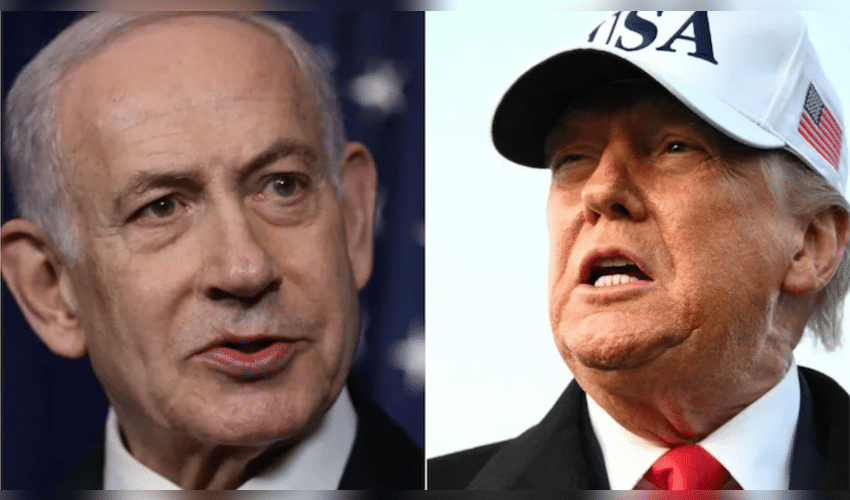

US President Donald Trump spoke with Israeli Prime Minister Benjamin Netanyahu following a fresh round of American military strikes on Iran, with the two leaders discussing the evolving security situation in the Gulf amid rising regional tensions. According to a statement issued by the Israeli Prime Minister's Office, Trump updated Netanyahu on the latest US military moves in the Gulf during the phone call. The statement did not disclose specific operational details but said the leaders remained in close contact as developments continue to unfold.
The conversation came shortly after the United States launched new strikes targeting Iranian positions. While Washington has not publicly shared the full scope of the operation, the military action marks another escalation in the ongoing standoff between the two countries. Officials in both the US and Israel have been closely coordinating their responses as concerns grow over the possibility of the conflict expanding beyond Iran. The latest exchange has heightened security concerns across the Middle East, particularly in the Gulf region, which is home to key international shipping routes and several US military installations.
The Gulf remains strategically important to global energy supplies, and any increase in hostilities has the potential to disrupt maritime trade and influence international oil markets. Several countries in the region have urged restraint, warning that further escalation could have far-reaching economic and security consequences.
The White House has not released additional details about Trump's conversation with Netanyahu or whether the two leaders discussed possible next steps. However, the call reflects the close coordination between Washington and Jerusalem as tensions continue to rise. Iran has strongly condemned the latest US strikes, while regional governments are closely monitoring the situation. International observers fear that continued military exchanges could further destabilize an already volatile Middle East if diplomatic efforts fail to ease tensions.
Despite the latest military action, diplomatic channels have not been completely ruled out. US officials have previously stated that while Washington is prepared to respond to security threats, it remains open to diplomatic engagement aimed at reducing tensions in the region. With both military and diplomatic developments unfolding simultaneously, global attention remains focused on how the United States, Iran, and their regional allies navigate the next phase of the crisis.



