



News
A US museum is returning three ancient bronze idols stolen from Tamil Nadu to India.
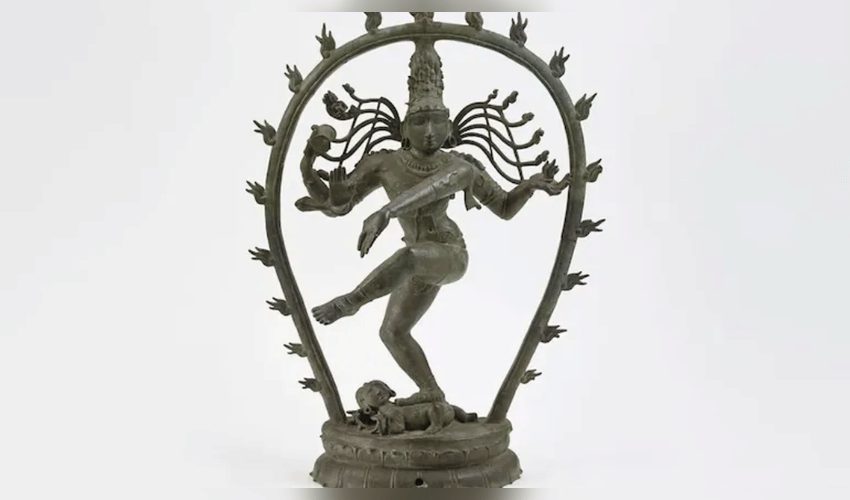

The Smithsonian's National Museum of Asian Art announced today it will return three priceless bronze sculptures illegally removed from temples in Tamil Nadu, India, decades ago. The artifacts, dating from the 10th to 16th centuries, include a rare Shiva Nataraja figure from around 990 AD, a Somaskanda panel from the 12th century, and a depiction of Saint Sundarar with his wife Paravai from the 16th century. These Chola-era masterpieces were integral to Hindu rituals and temple processions before their theft.
Provenance research uncovered black-and-white photographs from the French Institute of Pondicherry, taken between 1956 and 1959, showing the idols in their original temple settings in Tamil Nadu. This evidence confirmed their illegal export under Indian antiquities laws. Museum Director Chase F. Robinson hailed the move as a commitment to ethical stewardship. "Transparency in collecting histories strengthens our shared understanding of Asian art," he stated. Notably, the Shiva Nataraja will return to India on a long-term loan basis, allowing continued public access while honoring its heritage.
This repatriation aligns with India's ongoing efforts to recover stolen artifacts, led by Tamil Nadu's Idol Wing-CID. Over 100 idols have been brought back via international legal channels in recent years. The process began with documentation submitted to the Smithsonian as early as 2022. Chola bronzes, crafted via the lost-wax technique, represent a pinnacle of South Indian artistry, embodying cosmic themes like Shiva's dance of creation and destruction. Their return bolsters temple traditions and cultural tourism in Tamil Nadu.
The decision reflects a broader trend among Western institutions to address colonial-era acquisitions. Comparable returns include Khmer artifacts from New York's Metropolitan Museum to Cambodia and Nepalese bronzes from U.S. collections. Final handover negotiations with the Indian embassy are underway, with a formal ceremony expected soon. This case exemplifies collaborative efforts to reunite nations with their cultural legacies.